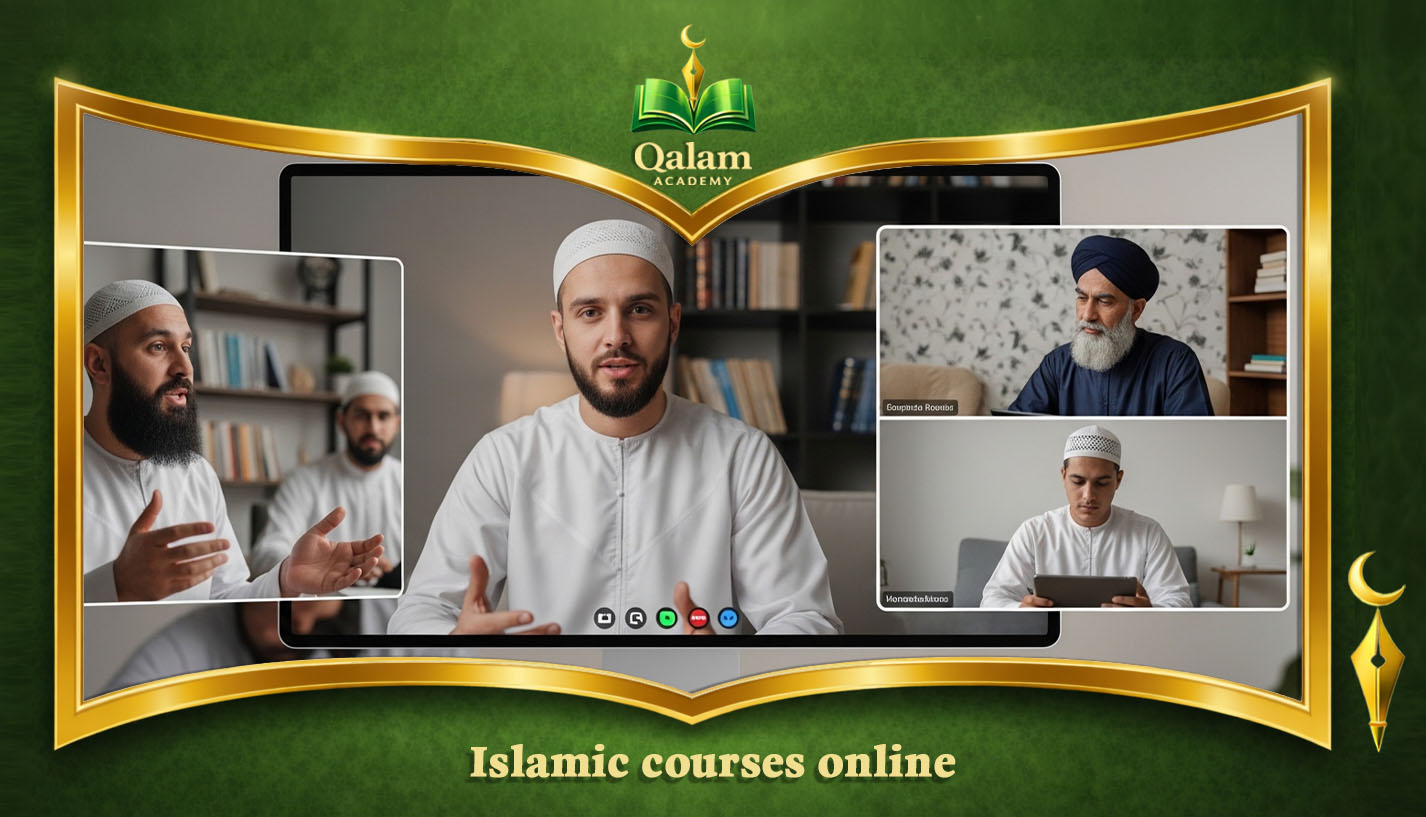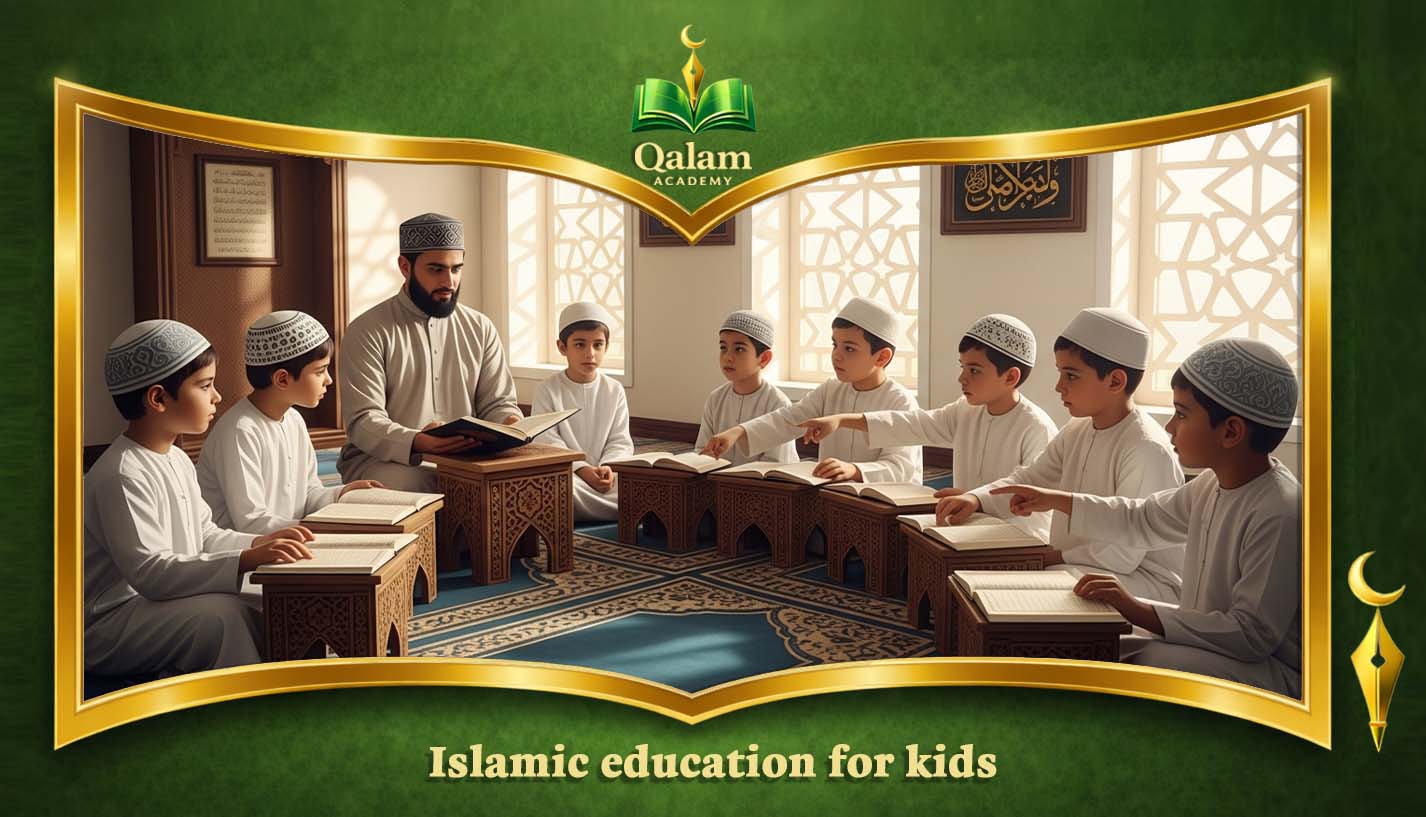

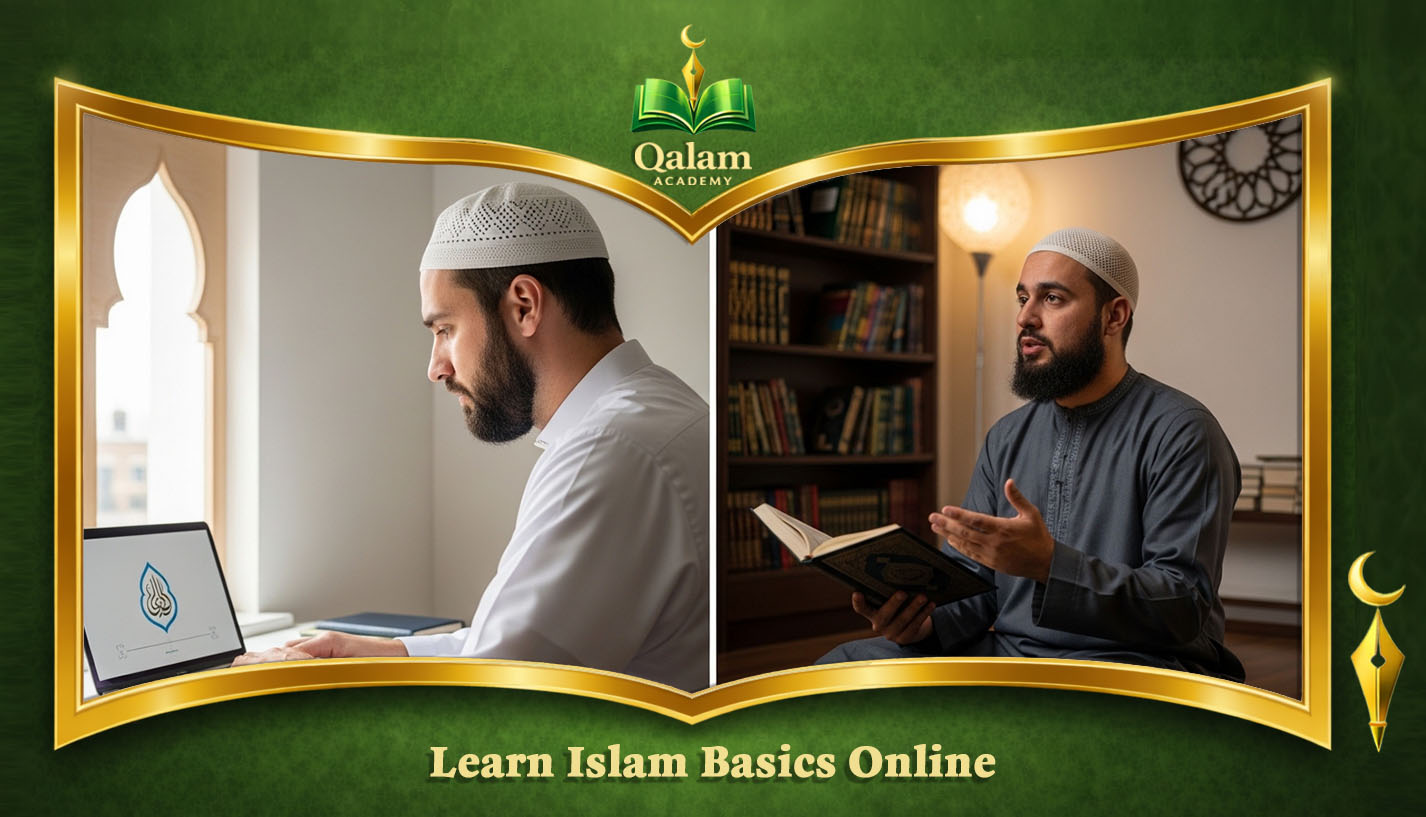
Learn Islam basics online is one of the most searched intentions for people who want a clear and structured understanding of Islam from the beginning, without confusion or unnecessary complexity.
In today’s digital world, many learners prefer flexible online learning paths that help them understand faith, worship, and core beliefs in a simple and practical way. Among the platforms that focus on structured Islamic education is qalam Quran school, which offers a guided approach for beginners to build strong and correct foundations step by step.
This approach helps answer key questions about the pillars of faith and their meaning in daily life, providing a beginner-friendly path to understanding Islam from its core principles.
Understanding the Basics of Islamic Faith
Islam is built on a clear structure of belief that shapes how a Muslim understands life, worship, and purpose. These foundations are not complicated theories, but simple and essential truths that every believer is encouraged to learn and practice.
When people start their journey to learn islam basics online, they usually begin with the most important concept: faith (iman). Faith in Islam is not just belief in the heart, but also understanding, acceptance, and action based on that belief.
The foundation of Islamic faith is summarized in six core pillars, known as the pillars of faith. These pillars define what every Muslim must believe in order to have complete and correct faith.

The Six Pillars of Faith in Islam
The pillars of faith are the essential beliefs that form the foundation of Islam. Without them, the understanding of faith remains incomplete.
1. Faith in Allah (God)
The first and most important pillar is belief in Allah. This means believing that Allah is the only creator, sustainer, and ruler of everything in existence. He has no partners, no equals, and nothing resembles Him.
A believer understands that everything in life, including provision, life, and death, comes only from Allah. This belief creates trust, peace, and dependence on the Creator in every situation.
When learners choose to learn islam basics online, this is always the first concept they encounter because it shapes the entire understanding of Islam.
2. Faith in Angels
Angels are beings created by Allah from light. They do not disobey Him and always follow His commands exactly as instructed.
Each angel has specific duties. For example, Gabriel is responsible for delivering revelation to the prophets. Other angels record human actions, while some manage natural and unseen matters according to Allah’s command.Belief in angels helps a person understand that there is an unseen world operating alongside the physical one.
3. Faith in Holy Scriptures
Muslims believe that Allah revealed divine books to guide humanity. These include previous scriptures and the final revelation, the Quran.
The Quran is the final and preserved message, while earlier scriptures were revealed to previous prophets. These include the Torah given to Moses, the Gospel given to Jesus, the Psalms given to David, and other early scriptures given to earlier prophets.
The Quran remains the ultimate guide for life, worship, and morality. Students often spend significant time understanding how the Quran completes and confirms earlier revelations.
4. Faith in the Messengers of Allah
Allah sent messengers to guide humanity toward truth and righteousness. These messengers were chosen individuals who delivered Allah’s message clearly and faithfully.
They taught people how to worship Allah correctly and how to live a moral and balanced life. Among them are major prophets such as Noah, Abraham, Moses, Jesus, and Muhammad.
The final messenger is Muhammad, who brought the final message of Islam for all humanity.
Understanding the role of prophets is essential, as it explains how guidance reached mankind and how divine messages were delivered to people throughout history
5. Faith in the Last Day
The Last Day refers to life after death, when all human beings will be resurrected and held accountable for their actions.
This belief includes understanding death, the grave, resurrection, judgment, paradise, and hell. Every action in this life will be weighed fairly, and every person will receive justice.
Belief in the Last Day encourages responsibility, honesty, and awareness of consequences in daily life.
6. Faith in Divine Decree (Destiny)
The final pillar is belief that everything happens according to Allah’s knowledge, will, and wisdom. Nothing occurs without His permission.
This belief is divided into four important concepts:
- Allah knows everything, past, present, and future
- Everything is recorded in a preserved record
- Nothing happens unless Allah wills it
- Allah is the creator of everything, including human actions and choices
This belief gives a Muslim balance between effort and trust in Allah’s plan.
Read also:learn islam step by step
The Quran: The Final Message
The Quran is the final revelation from Allah, revealed to guide humanity in all aspects of life. It is considered the direct word of Allah and remains unchanged.
It teaches belief, worship, morality, and laws that guide individuals and societies. Its message is universal and timeless.
Anyone who wants to learn islam basics online must begin with understanding the Quran because it is the foundation of all Islamic knowledge.
Read also:best online quran lessons for adults
The Sunnah and Its Importance
The Sunnah refers to the teachings, actions, and approvals of Prophet Muhammad. It explains the Quran and shows how to apply Islamic teachings in daily life.
Without the Sunnah, many aspects of worship would remain unclear. It provides practical guidance on prayer, fasting, behavior, and ethics.Together, the Quran and Sunnah form the complete source of Islamic guidance.
Read also:read quran correctly
Understanding Innovation in Religion (Bid’ah)
Innovation in religious practice refers to introducing acts of worship that were not taught or practiced by the Prophet or his companions. It involves adding new elements to religious rituals without any authentic basis from the original teachings of Islam.
Islam encourages Muslims to strictly follow authentic sources of guidance, such as the Quran and the Sunnah, and to avoid any additions that may alter the original form or meaning of worship. This helps preserve the purity of religious practice and maintain its correct form as originally revealed.
By adhering to these principles, worship remains consistent, sincere, and aligned with the true message of Islam, ensuring clarity and unity in religious understanding.
Read also:benefit of reading quran daily
Loyalty and Righteousness in Belief
Islam teaches believers to support goodness and stand firmly for truth in all aspects of life. Loyalty in faith means loving what is right, encouraging righteous behavior, and standing beside those who follow the path of goodness and integrity. It is a principle that strengthens moral awareness and shapes a believer’s character in a positive way.
It also involves avoiding any actions that harm others or contradict ethical and spiritual values. A true understanding of this concept encourages self-discipline, responsibility, and respect for others.
This principle helps build strong and balanced communities based on justice, compassion, cooperation, and mutual respect, where people work together to maintain harmony and uphold moral values in society.
Learning Islam in the Modern World
Today, many people prefer to study Islamic knowledge through structured best online quran classes in USA learning methods. This makes it easier to understand faith step by step, especially for beginners.
Digital learning allows flexibility and access to qualified teachers from anywhere in the world. Platforms such as qalam Quran school provide structured lessons that help learners build strong foundations in belief, worship, and understanding.
In fact, many students find that consistent online study helps them stay focused and progress steadily without feeling overwhelmed.
Later in their journey, they often continue advanced studies through online quran academy for beginners, which supports structured learning for different levels of students.
Building Strong Foundations of Faith
Understanding the pillars of faith in Online Islamic Classes is not simply about memorizing religious concepts, but about truly living them and applying them in everyday life. These beliefs shape a Muslim’s character, behavior, and relationship with Allah, guiding every decision with purpose and awareness.
A strong believer reflects the teachings of Islam through daily actions such as honesty in speech, consistency in prayer, patience during trials, gratitude in times of ease, and complete trust in Allah’s wisdom and plan. These qualities are not separate from faith but are direct expressions of it in real life.
Islamic learning is a continuous journey that develops over time and requires sincerity and commitment. With proper guidance, patience, and consistent effort, a person can build a deep, meaningful, and lasting connection with their faith that positively transforms both heart and behavior.
Frequently Asked Questions
provide quick answers to the most common queries users may have. They help clarify important information and make it easier to find what you need quickly.
1. Why are the pillars of faith important in Islam?
The pillars of faith define the core beliefs every Muslim must understand and accept. They form the foundation of Islamic belief and guide a person’s understanding of life and worship.
2. Can beginners easily study Islam online?
Yes, beginners can study Islam online through structured programs that simplify learning step by step. Many learners start with basic beliefs before moving to deeper topics.
3. What is the best way to start learning Islamic basics?
The best way is to begin with the six pillars of faith, then gradually study the Quran, Sunnah, and basic practices of worship with consistent guidance.
In conclusion, the pillars of faith are the foundation upon which Islam is built. They include belief in Allah, the angels, the holy books, the messengers, the Last Day, and divine decree, both its good and its bad.
Understanding these pillars represents the first step toward building a correct and clear belief system, and it helps a Muslim form a complete understanding of faith and its impact on daily life.
Some structured learning platforms such as qalam Quran school provide an organized and gradual learning experience, helping students gain knowledge in a simple and effective way suitable for different levels.
Read articles that might interest you: