
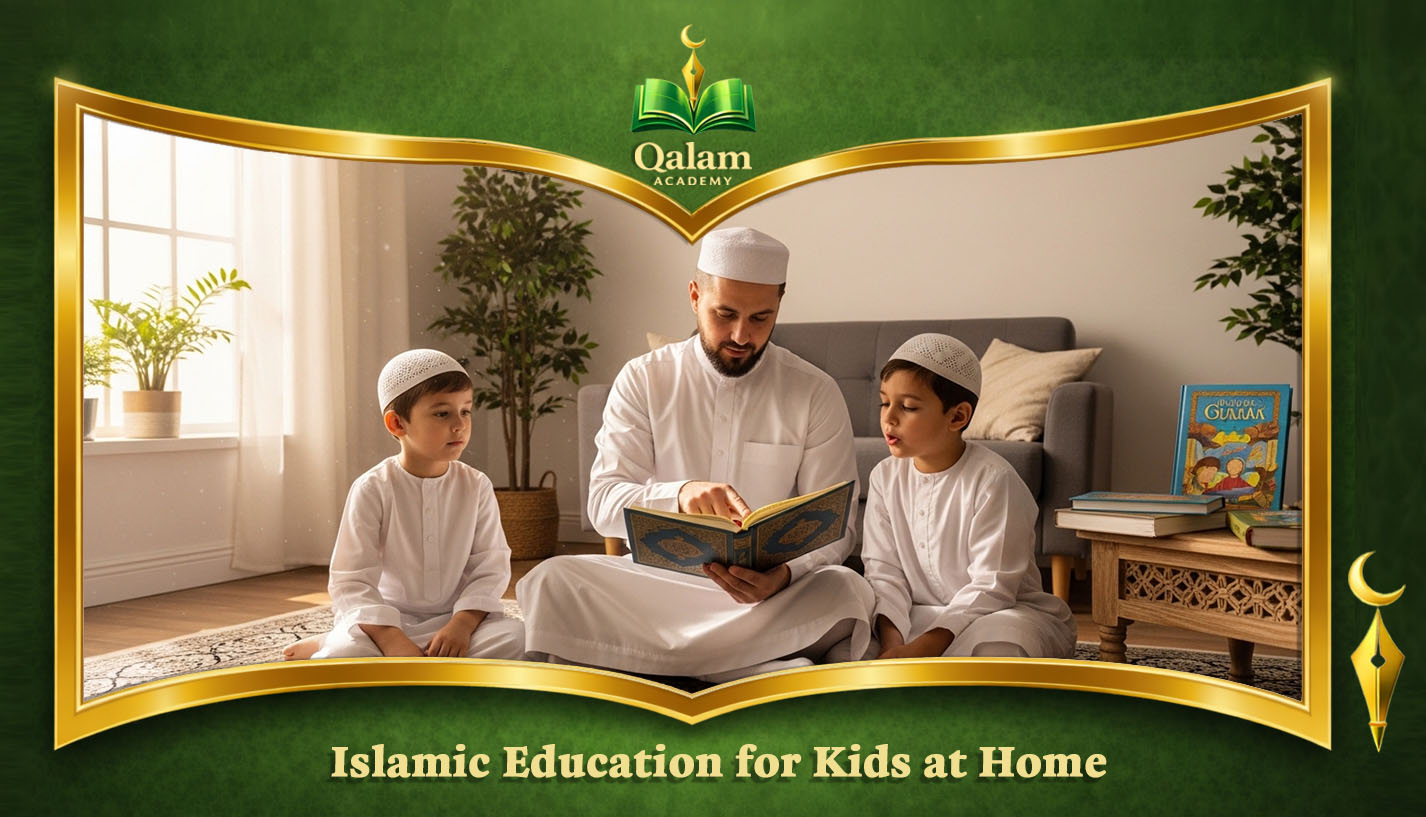
Islamic education for kids at home is an essential part of raising children with strong faith and good character, and qalam Quran academy for kids supports families in creating a meaningful and balanced learning experience.
In today’s busy world, parents need simple and effective ways to teach Islamic values within daily life at home. This approach helps children connect with their religion naturally through habits, stories, and interaction rather than pressure.
By integrating Islamic teachings into everyday routines, children develop love for Islam, strong identity, and moral awareness. Home learning becomes a powerful foundation for lifelong faith and personal growth.
Why Islamic Learning for Kids at Home Matters
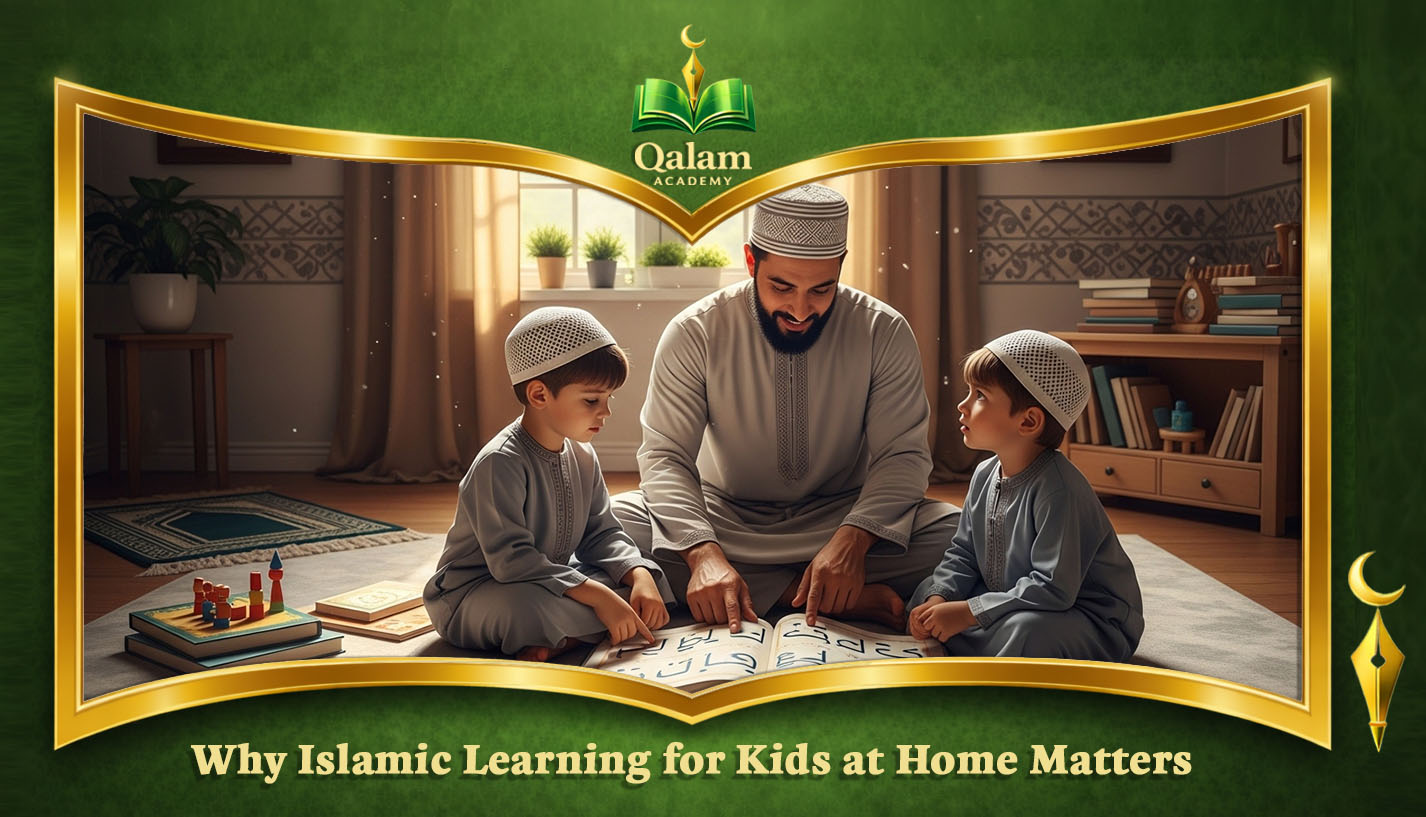
Children are constantly observing, absorbing, and imitating. Long before they fully understand concepts, they begin forming impressions about right and wrong, kindness, honesty, and faith. Home is the first and most influential classroom.
Teaching Islam at home allows parents to:
- Shape their child’s moral compass early
- Control the pace and style of learning
- Build a personal and emotional connection to faith
More importantly, it ensures that Islamic values are not seen as separate from life—but as part of it.
Online Quran Academy
qalam Quran academy for kids offers a modern and flexible way for children to learn the Quran online from home. It provides interactive lessons designed to suit different ages and learning levels, making the experience simple and engaging.
Through structured programs and supportive teaching methods, qalam Quran academy for kids helps children build strong recitation skills, understand meanings, and develop a lasting connection with the Quran.
This online approach combines convenience with quality education, making Islamic learning accessible for every family.

Building Daily Habits of Islamic Learning for Kids
Consistency matters more than intensity. Instead of overwhelming children with long lessons, small daily habits create lasting impact.
Simple ways to integrate learning:
- Say “Bismillah” together before meals
- Share a short dua before sleep
- Talk about gratitude during everyday moments
These habits gradually build awareness and strengthen the child’s relationship with Allah.
Read also:learn islam step by step
Storytelling for Kids: Making Islamic Lessons Come Alive
Children connect deeply with stories. The stories of the Prophets and companions are rich with meaning, emotion, and powerful lessons.
To make storytelling effective:
- Use expressive voice and emotion
- Ask questions during the story
- Relate the lesson to real-life situations
For example, after telling a story about honesty, ask:
“What would you do if you were in that situation?”
Storytelling not only teaches—it builds critical thinking and emotional intelligence.
Read also:online quran classes zoom
Creative Activities for Kids: Learning Through Art and Play
Children learn best when they are actively engaged. Creative activities turn abstract ideas into tangible experiences.
Try incorporating:
- Drawing Islamic symbols like crescents and mosques
- Writing simple Arabic phrases in colorful designs
- Creating Ramadan decorations together
These activities make learning enjoyable and help children form positive associations with their faith.
Read also: learn quran for kids online
Prayer and Worship Routine for Kids
Introducing acts of worship should be gradual and encouraging, not strict or overwhelming.
Start with:
- Letting children observe and imitate prayer
- Teaching short and easy duas
- Celebrating small achievements
Creating a dedicated prayer space at home can also make worship feel special and inviting.The goal is not perfection—but familiarity and comfort with worship.
Read also:online hifz program for adults
Using Technology for Kids’ Islamic Education
Technology is a central part of modern childhood. When used wisely, it can become a powerful educational tool.
Parents can explore:
- Interactive Quran apps
- Animated Islamic stories
- Educational videos designed for children
However, balance is key. Technology should support learning—not replace human interaction.
Read also:best online quran lessons for adults
Ramadan and Eid Activities for Kids
Islamic occasions offer powerful opportunities for learning and bonding.
During Ramadan:
- Involve children in preparing iftar
- Teach the meaning behind fasting
- Encourage small acts of charity
During Eid:
- Emphasize gratitude and generosity
- Let children participate in giving gifts
- Celebrate in a joyful, meaningful way
These experiences create lasting memories tied to faith.
Read also:online quran academy for beginners
Quran Learning for Kids in a Gentle Way
The Quran is central to Islamic education, but the approach must be age-appropriate.Users can also explore learn quran online with tajweed for more related options.
Effective strategies include:
- Starting with short surahs
- Repeating verses regularly
- Explaining meanings in simple language
For parents who want additional structured support, platforms like qalam Quran academy for kids provide guided learning experiences tailored to children’s needs. These programs often combine recitation, understanding, and engagement in a balanced way.
Read also: learn islam basics online
Teaching Islamic Values to Kids Through Daily Life
Values like honesty, patience, and kindness are best taught through real-life situations.
Instead of lectures:
- Use everyday moments as teaching opportunities
- Discuss actions and consequences calmly
- Model the behavior you want to see
Children learn more from what you do than what you say. We also cover this in our offerings guide.
Encouraging Good Deeds in Kids
Positive reinforcement helps children internalize good behavior.
You can:
- Create a “good deeds chart”
- Celebrate acts of kindness
- Encourage helping others at home and outside
This builds a sense of responsibility and empathy.
Nature Reflection Activities for Kids
Nature is one of the most powerful ways to teach children about the greatness of creation.
During walks:
- Talk about the sky, trees, and animals
- Connect these observations to gratitude
- Encourage curiosity and reflection
These moments help children develop a deeper spiritual awareness.
Supporting Kids with Structured Learning Resources
While home teaching is essential, structured resources can enhance the experience. A platform like qalam Quran academy for kids can provide consistency, professional guidance, and interactive learning that complements what children learn at home.
Such resources often include:
- Qualified teachers
- Personalized learning paths
- Engaging teaching methods
This combination can make a significant difference in a child’s progress.
Creating a Positive Learning Environment for Kids
Children thrive in environments where they feel safe, valued, and encouraged.
To build this:
- Allow open conversations
- Welcome questions without judgment
- Avoid harsh criticism
A positive environment nurtures confidence and curiosity.
Common Mistakes in Teaching Kids Islam
While teaching children about Islam is a meaningful responsibility, certain approaches can unintentionally create resistance instead of connection. When learning is associated with pressure or fear, children may begin to withdraw rather than engage. The goal is to nurture love for faith—not obligation alone.
Many parents fall into common patterns without realizing their impact. For example, pushing children too hard or expecting immediate results can lead to frustration. Similarly, comparing a child to siblings or peers may harm their confidence and reduce their motivation to learn.
To create a healthier learning experience, avoid:
- Forcing learning through pressure
- Comparing children to others
- Focusing only on memorization without understanding
- Using fear-based methods
A balanced approach rooted in patience, empathy, and encouragement helps children feel safe, valued, and more open to learning about Islam in a positive and lasting way.
Keeping Kids Motivated in Their Learning Journey
Motivating children to stay engaged in their learning journey requires more than just discipline or routine—it depends on creating a sense of enjoyment and emotional connection with what they are learning. When children associate learning with positive experiences, they are more likely to stay curious, involved, and consistent over time.
Parents can make a big difference by adapting their approach to match their child’s personality and interests. Adding variety helps prevent boredom and keeps lessons engaging, while recognizing even small efforts builds confidence and encourages consistency. Short, focused sessions are often more effective than longer ones, especially for younger children.
To keep children engaged:
- Vary teaching methods
- Celebrate progress
- Keep lessons short and meaningful
When consistency is paired with creativity and encouragement, learning becomes a natural and enjoyable part of a child’s daily life, leading to deeper understanding and long-term growth.
Balancing Faith and Modern Life for Kids
Children today are growing up in a rapidly changing world filled with new ideas, technologies, and social influences. In this environment, they need guidance that helps them understand how their faith fits naturally into their everyday lives.
When Islam is presented as relevant and practical, children are more likely to embrace it with confidence rather than see it as something separate from their reality.
Parents play a key role in building this balance. Instead of avoiding difficult topics, they can create open conversations where children feel safe to ask questions and express their thoughts. Linking Islamic values to real-life situations—like honesty in school or kindness with friends—makes those values easier to understand and apply.
Parents can:
- Discuss modern challenges openly
- Relate Islamic values to real situations
- Encourage thoughtful decision-making
This approach helps children develop a strong, adaptable identity rooted in faith and awareness.
The Long-Term Impact of Islamic Education for Kids at Home
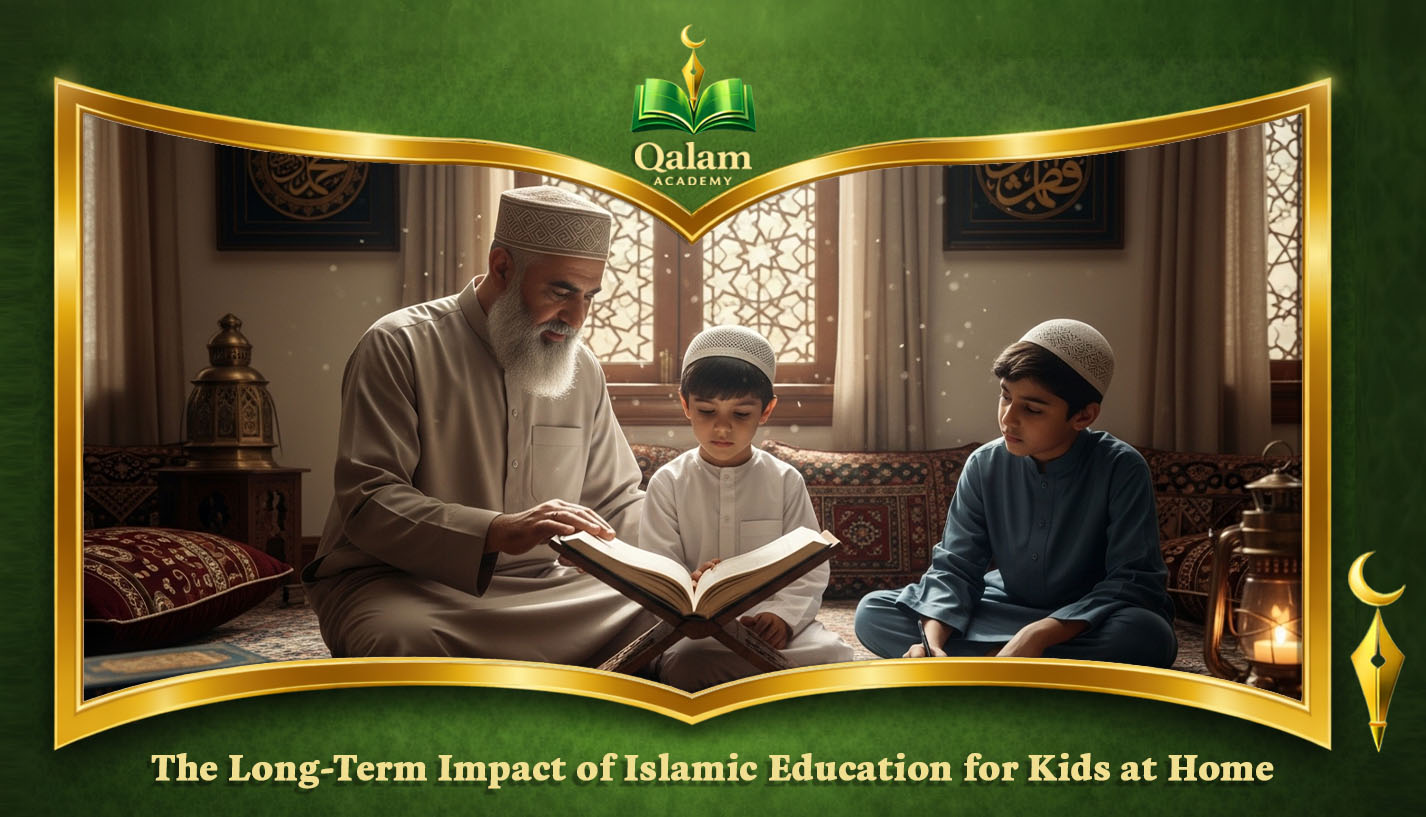
When done thoughtfully, islamic education for kids at home goes far beyond teaching basic knowledge—it helps shape a child’s character, mindset, and emotional strength.
Through consistent exposure to Islamic values in daily life, children begin to develop a deep-rooted sense of faith, resilience, and akhlaq (good character) that supports them as they grow and face different life challenges.
This type of upbringing creates a stable foundation where children feel secure in who they are and what they believe. Instead of seeing religion as an obligation, they begin to understand it as a source of guidance and comfort.
Children raised in such environments are more likely to:
- Feel confident in their identity
- Practice their faith willingly
- Show compassion and integrity
FAQ
islamic education for kids at home provides clear answers to common questions about teaching Islamic values and faith effectively at home.It helps parents guide their children with simple methods that build strong character, daily habits, and a lasting connection to Islam
1.At what age should kids start learning about Islam?
Children can begin learning from a very early age through simple exposure like listening, observing, and repeating short phrases.
2.How can I keep my child interested in Islamic learning?
Use a mix of storytelling, games, and interactive activities to make learning enjoyable and varied.
3.Is it necessary to use online academies for kids?
Not necessary, but they can be helpful in providing structure, consistency, and additional support alongside home learning.
In conclusion, islamic education for kids at home is not just a method of teaching, but a long-term investment in shaping a child’s faith, character, and worldview.
When parents approach this journey with patience, consistency, and love, they create an environment where Islamic values become a natural part of daily life rather than isolated lessons.
With the support of resources like qalam Quran academy for kids, families can enrich this experience and provide children with structured yet flexible learning opportunities.
Ultimately, the goal is to raise children who not only understand their religion but also live by its principles with confidence and compassion. A home filled with Islamic values becomes a foundation for strong identity, moral clarity, and lifelong spiritual growth.
Learn also: