
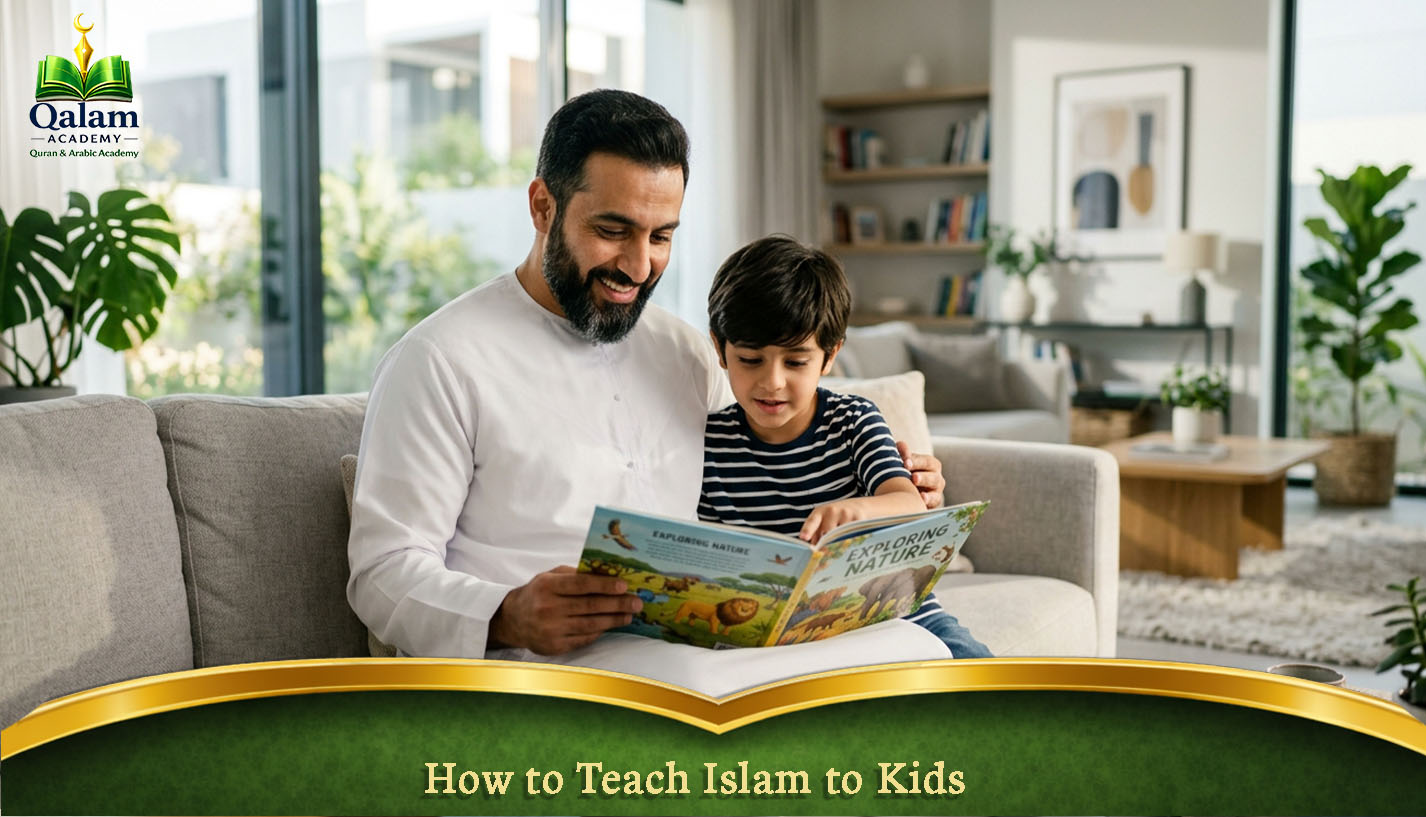
How to teach Islam to kids is one of the greatest responsibilities given to Muslim parents. Every mother and father hopes to raise children who love Allah, follow the Sunnah of the Prophet Muhammad ﷺ, and display excellent manners throughout their lives. In today’s fast-changing world, children meet different cultures, beliefs, and ideas every day. Therefore, building a strong Islamic foundation from an early age is more important than ever.
However, teaching Islam is much more than helping children memorize Quranic verses or understand religious rulings. It is about helping their hearts, building their faith, and helping them see Islam as a beautiful way of life. When children grow up in an environment filled with kindness, mercy, and good examples, they naturally develop a closer relationship with Allah and His teachings.
Many parents often ask how they can educate their children about Islam while balancing school, work, and family life. Fortunately, raising righteous Muslim children does not require complicated methods. Instead, it begins with small daily habits, sincere efforts, and consistent guidance. Moreover, children learn most effectively when they observe Islamic values practiced by the people they admire the most—their parents.
At Qalam Quran Academy, families can find professional support through structured Quran and Islamic studies programs that make learning enjoyable and age-appropriate. In addition, experienced teachers help children strengthen their Islamic identity while developing confidence in their faith through engaging online lessons.
How to Teach Islam to Kids from an Early Age?
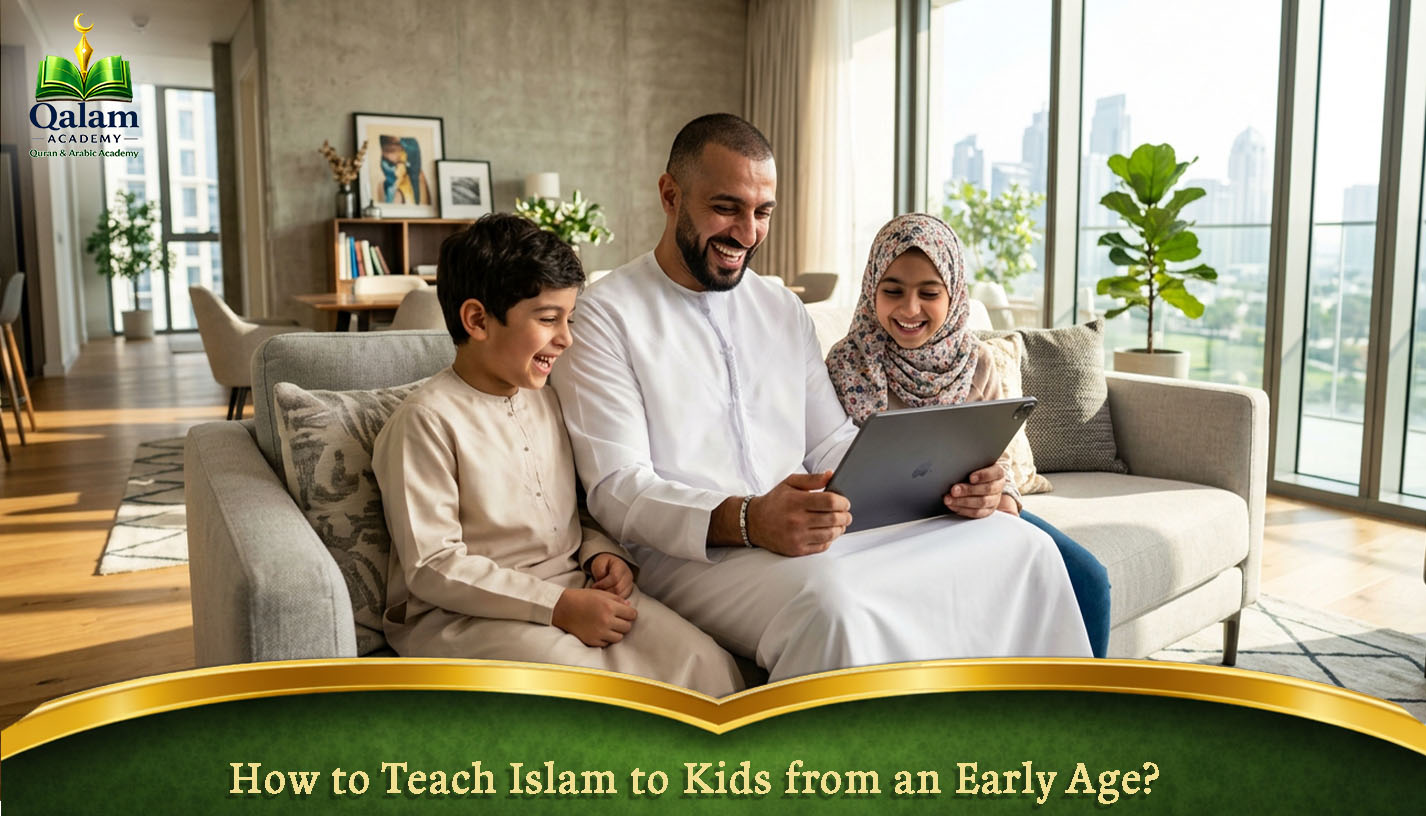
Childhood is the stage during which beliefs, habits, and character begin to take shape. Since young children naturally imitate the people around them, the values they learn during these years often remain with them throughout adulthood. Therefore, introducing Islam early allows children to develop a healthy understanding of their religion before outside influences become stronger.
When parents teach Islam to Kids consistently, children gradually learn to:
- Build a close relationship with Allah.
- Understand Islamic morals and manners.
- Feel proud of their Muslim identity.
- Respect parents, teachers, and others.
- Make thoughtful decisions based on Islamic principles.
Furthermore, Islamic education should inspire children rather than frighten them. Instead of presenting religion as a collection of restrictions, parents should show that Islam brings peace, mercy, and purpose to everyday life. For example, children who learn through meaningful stories, practical experiences, and positive conversations often develop a genuine love for their faith instead of simply following instructions.
As a result, parents should focus on creating an enjoyable learning journey that matches each child’s personality and level of understanding.
Start Learning with Qalam Online Quran Academy Today
Take the first step toward a stronger connection with the Quran and Islamic knowledge. At Qalam Online Quran Academy, our qualified teachers provide personalized one-on-one classes for children, adults, and beginners.
Enjoy flexible schedules, interactive lessons, and a supportive learning environment designed to help you achieve your goals. Begin your Quran learning journey with confidence.

How Parents Can Teach Islam to Kids Through Everyday Life?
Parents are every child’s first teachers. Long before children enter an Islamic school or join online classes, they observe their family’s daily routines. Consequently, the home becomes the first classroom where Islamic values are introduced.
When children regularly watch their parents pray, read the Quran, speak kindly, and remain patient during challenges, they naturally begin to appreciate the beauty of Islam. Actions often leave a stronger impression than words alone.
Allah says:
“O you who have believed, protect yourselves and your families from a Fire whose fuel is people and stones.”
(Surah At-Tahrim 66:6)
This noble verse reminds every Muslim parent of the responsibility to guide and protect their family through faith, worship, and righteous character.
Fortunately, parents do not have to be scholars to begin teaching their children. Instead, they can introduce simple daily habits such as:
- Saying Bismillah before beginning any activity.
- Memorizing short daily duas together.
- Encouraging honesty in every situation.
- Reading stories of the Prophets before bedtime.
- Demonstrating kindness and respect toward everyone.
Moreover, children are far more likely to imitate good behavior when they witness it consistently at home. Therefore, leading by example remains one of the most effective methods of Islamic studies for kids course parenting.
How to Teach Islam to Kids Through Love and Encouragement?
One of the biggest mistakes parents sometimes make is presenting Islam only through commands and prohibitions. Although discipline has its place, children usually connect more deeply with Islam when they associate it with love, mercy, and happiness.
Therefore, parents should focus on helping children appreciate why Allah commands certain actions rather than simply expecting obedience without explanation.
For example, instead of saying, “You must pray,” explain that Salah allows Muslims to speak directly to Allah and thank Him for His countless blessings. Likewise, when discussing charity, explain that helping people makes Allah pleased and spreads kindness throughout society. As you teach Islam to your children, encourage them to discover:
- Allah’s endless mercy.
- The beauty of the Holy Quran.
- The importance of helping others.
- The value of honesty and patience.
- The happiness found in sincere worship.
Furthermore, celebrating small achievements can significantly increase a child’s motivation. Whether they memorize a short surah, remember a new dua, or complete their first full prayer, positive encouragement helps them associate Islamic learning with success and confidence.
Consequently, children begin practicing Islam because they genuinely love it rather than because they fear making mistakes.
How to Teach Islam to Kids According to Every Stage of Childhood?
Every child develops at a different pace, which means there is no single method that works for everyone. Therefore, parents should introduce Islamic knowledge gradually, taking into account their child’s age, maturity, and ability to understand. By doing so, learning becomes enjoyable instead of overwhelming.
Moreover, teaching Islam step by step helps children build confidence while building their connection with Allah over time. Rather than expecting immediate results, parents should focus on steady progress that continues throughout childhood.
How to Teach Islam to Kids Ages 3–5?
The early years are the ideal time to establish simple Islamic habits. At this stage, children mainly learn by observing their parents, repeating what they hear, and participating in everyday routines.
Instead of long lessons, parents should introduce short and enjoyable activities such as:
- Saying Bismillah before eating or drinking.
- Saying Alhamdulillah after finishing meals.
- Listening to beautiful Quran recitation.
- Memorizing very short daily duas.
- Standing beside their parents during Salah.
- Learning that Allah created everything they see around them.
Additionally, parents can use colorful books, educational videos, and simple Islamic education games for kids at home to make every lesson exciting. Since young children enjoy interactive learning, these activities keep them engaged while introducing important Islamic concepts naturally.
How to Teach Islam to Kids Ages 6–9?
As children grow older, their curiosity increases, and they become more interested in understanding the reasons behind Islamic teachings. Therefore, this stage is perfect for expanding their knowledge through conversations and storytelling.
Parents can gradually introduce topics such as:
- The stories of the Prophets.
- Short Quran chapters with simple explanations.
- The Five Pillars of Islam.
- Good manners (Islamic Adab).
- Respect for parents and teachers.
- Daily duas and their meanings.
Furthermore, storytelling remains one of the most effective teaching methods because children remember lessons more easily when they are connected to inspiring events.
For example, the story of Prophet Ibrahim teaches complete trust in Allah, while the story of Prophet Yusuf highlights patience, forgiveness, and honesty. As a result, children begin applying these values in their own lives.
How to Teach Islam to Kids Ages 10–12?
Children between the ages of ten and twelve usually begin thinking more independently. Consequently, they need meaningful discussions instead of simple instructions.
At this stage, parents should help them understand:
- Why do Muslims worship Allah?
- The wisdom behind Islamic commandments.
- How to build a personal relationship with the Quran.
- Important events in Islamic history.
- Leadership, responsibility, and accountability.
In addition, parents should encourage children to ask questions freely. Open discussions build trust and allow children to strengthen their faith through understanding rather than memorization alone.
Teach Islam to Teenagers
Teenagers face unique challenges that require thoughtful Islamic guidance. Social media, friendships, school environments, and personal identity all influence their daily lives. Therefore, Islamic education should remain relevant to the situations they experience every day.
Parents should regularly discuss topics including:
- Developing a confident Muslim identity.
- Making responsible life choices.
- Respecting others while remaining true to Islamic values.
- Dealing with peer pressure.
- Using technology responsibly.
- Maintaining excellent manners both online and offline.
Furthermore, teenagers respond better when parents listen before giving advice. Respectful conversations often create stronger relationships than lengthy lectures.
How to Teach Islam to Kids by Learning the Five Pillars of Islam?
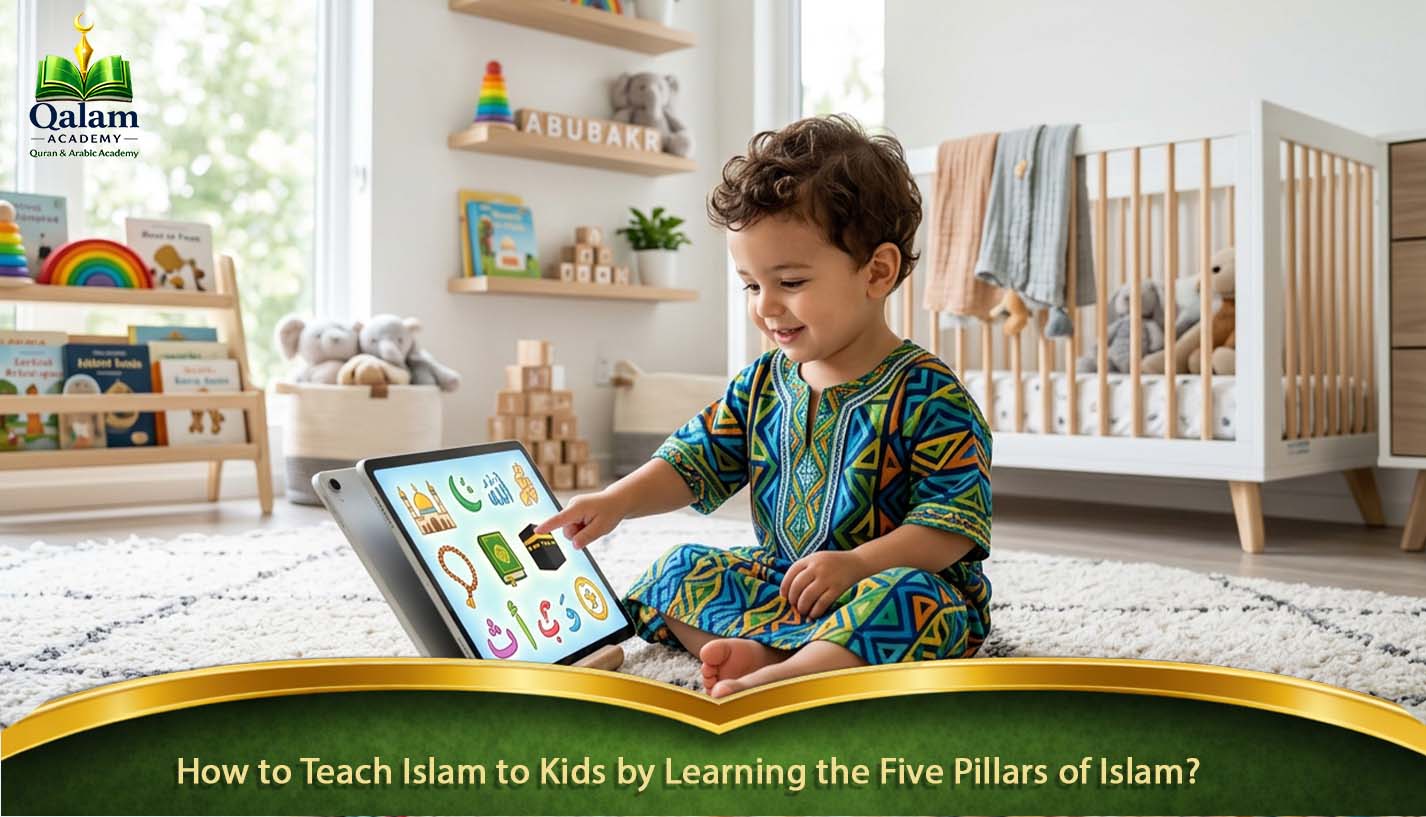
A practical way to teach Islam to kids is by introducing the Five Pillars of Islam in a simple and engaging manner. These pillars represent the foundation of a Muslim’s life and help children understand the importance of worship from an early age.
Rather than asking children to memorize names only, parents should explain how each pillar influences everyday actions and strengthens a believer’s relationship with Allah.
1. Shahada (Declaration of Faith)
The Shahada is the foundation of every Muslim’s belief. It teaches children that Allah alone deserves worship and that Prophet Muhammad ﷺ is His final Messenger.
Parents can help children understand this pillar by:
- Repeating the Shahada together.
- Explaining its meaning using simple language.
- Showing how belief in Allah influences daily behavior.
As children mature, they begin to realize that loving Allah means obeying Him and treating others with kindness.
2. Salah (Prayer)
Prayer connects Muslims with Allah five times every day. Therefore, children should become familiar with Salah from an early age.
Parents can encourage prayer by:
- Allowing children to pray beside them.
- Giving them a child-sized prayer mat.
- Teaching prayer movements gradually.
- Explaining the meanings of short Quran verses.
At Qalam Quran Academy, children also receive step-by-step guidance that helps them perform Salah correctly while understanding its spiritual importance.
3. Zakat (Charity)
Although young children are not responsible for paying Zakat, they can still understand its beautiful purpose.
Parents can teach generosity by encouraging children to:
- Donate toys they no longer use.
- Share food with neighbors.
- Help family members.
- Save money for charitable causes.
Consequently, children discover that caring for others is an important part of Islamic character.
4. Sawm (Fasting During Ramadan)
Ramadan offers valuable opportunities for children to strengthen their faith while enjoying meaningful family traditions.
Depending on their age, children can participate by:
- Joining family iftar.
- Learning Ramadan duas.
- Helping prepare meals.
- Trying short periods of fasting when appropriate.
- Reading more Quran during the holy month.
Moreover, making Ramadan enjoyable helps children associate worship with happiness and gratitude.
5. Hajj (Pilgrimage)
Although Hajj becomes obligatory only under certain conditions in adulthood, children should still learn about its significance.
Parents can explain:
- Why Muslims travel to Makkah.
- The importance of the Kaaba.
- How Hajj brings Muslims together regardless of nationality or background.
Using maps, pictures, and educational activities makes this lesson more engaging and memorable.
The Six Articles of Faith Every Child Should Learn
Alongside the Five Pillars, children should gradually understand the six core beliefs of Islam. These beliefs shape their worldview and strengthen their trust in Allah. Parents can introduce the following beliefs one step at a time:
- Belief in Allah.
- Belief in His Angels.
- Belief in His Divine Books.
- Belief in His Messengers.
- Belief in the Day of Judgment.
- Belief in Divine Decree (Qadr).
Rather than presenting these concepts as information to memorize, parents should connect each belief with everyday examples that children can understand. Consequently, children develop stronger faith while appreciating the wisdom behind Islamic teachings.
Why Qalam Quran Academy Is the Right Place to Learn How to Teach Islam to Kids?
Parents often search for an educational environment that supports the Islamic values they teach at home. While family guidance is essential, learning from experienced teachers can make the educational journey even more successful. Therefore, choosing a trusted academy plays an important role in helping children grow both academically and spiritually.
Qalam Quran Academy offers structured online programs that make it easier for children to understand Islam enjoyably and interactively. Rather than relying on traditional teaching methods alone, the academy combines qualified instruction with engaging lessons that match every child’s age and learning style. Some of the advantages of learning with Qalam Quran Academy include:
- Qualified Quran and Islamic studies teachers.
- One-on-one personalized classes.
- Flexible schedules for busy families.
- Interactive lessons that keep children engaged.
- Programs designed for beginners and advanced learners.
- Regular assessments to monitor progress.
Furthermore, every lesson is designed to strengthen a child’s confidence while improving Quran reading, memorization, and understanding of Islamic values. As a result, parents receive the support they need to continue their children’s Islamic education at home.
Fun and Practical Activities to Teach Islam to Kids
Learning becomes much more enjoyable when children participate in activities instead of simply reading or listening. Therefore, parents should include creative experiences that make Islamic education exciting while reinforcing important values.
Moreover, interactive learning encourages children to remember lessons for a much longer time because they actively participate in the learning process.
How to Teach Islam to Kids Through Stories of the Prophets?
Storytelling has always been one of the most powerful teaching methods. Since children naturally enjoy stories, parents can use the lives of the Prophets to introduce Islamic morals memorably. For example, children can learn the basics of Islam online, such as:
- Prophet Nuh (AS) and perseverance.
- Prophet Ibrahim (AS) and complete trust in Allah.
- Prophet Musa (AS) and courage.
- Prophet Yusuf (AS) and forgiveness.
- Prophet Muhammad ﷺ and mercy toward everyone.
After finishing each story, encourage discussion by asking questions like:
- What did you learn from this Prophet?
- Which character trait impressed you most?
- How can you practice this lesson today?
Consequently, children begin connecting Islamic teachings with their own daily experiences.
How to Teach Islam to Kids by Learning One Dua Every Week?
Children remember lessons better when they learn step by step. For this reason, teach one new Islamic lesson at a time. Therefore, instead of asking them to memorize many supplications at once, introduce one new dua each week. You can start with:
- Dua before eating.
- Dua after eating.
- Dua before sleeping.
- Dua when leaving the house.
- Dua before studying.
Additionally, displaying these duas on colorful posters or flashcards around the house makes memorization much easier. Over time, children begin using these supplications naturally without being reminded.
How to Teach Islam to Kids Through Family Quran Time?
Creating a daily family Quran routine helps children see Quran recitation as a joyful family activity instead of another school assignment. Parents can:
- Read one short surah together every evening.
- Explain one simple lesson from the verses.
- Encourage children to repeat the recitation.
- Celebrate every memorization achievement.
Furthermore, joining children during Quran time motivates them far more than asking them to study alone.
Likewise, Qalam Quran Academy supports this process by providing personalized Quran lessons that improve reading, Tajweed, memorization, and comprehension through an engaging online Islamic center for kids.
How to Teach Islam to Kids With Educational Islamic Games?
Games transform learning into an enjoyable experience. Therefore, Islamic quiz competitions can help children review what they have learned without feeling pressured. Questions may include:
- Who was the first Prophet?
- What are the Five Pillars of Islam?
- How many daily prayers do Muslims perform?
- What does Alhamdulillah mean?
- Which surah is recited in every Salah?
Moreover, rewarding participation with praise, certificates, or small gifts keeps children motivated and excited to continue learning.
How to Teach Islam to Kids Through Acts of Charity?
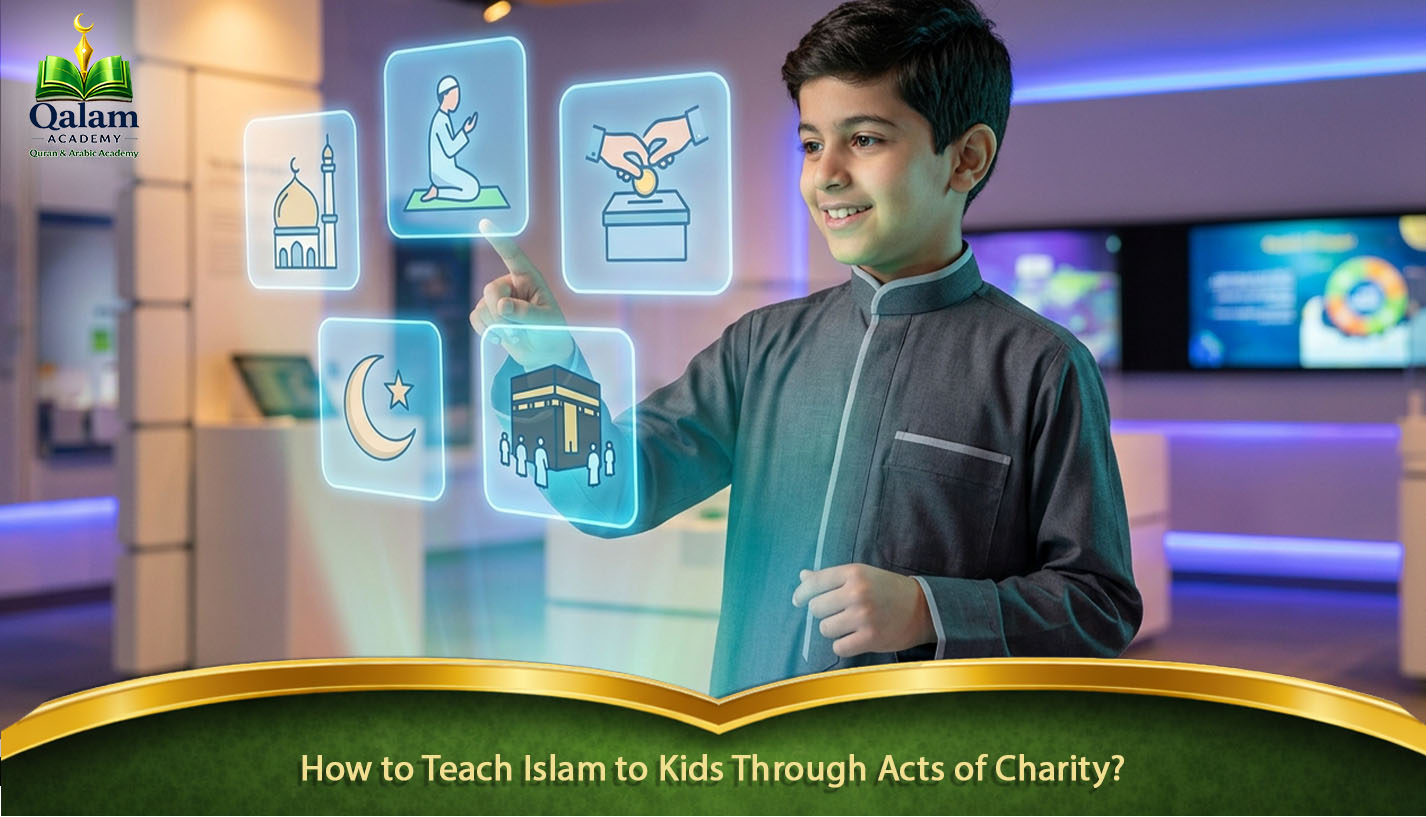
Teaching generosity should begin during childhood because kindness becomes stronger through regular practice.
Parents can encourage children to:
- Donate clothes they no longer wear.
- Share toys with children in need.
- Help elderly relatives.
- Prepare food for neighbors.
- Save part of their allowance for charity projects.
Consequently, children understand that helping others is an essential part of Islamic character and that generosity brings reward from Allah.
Common Challenges When Teaching Islam to Kids
Every family experiences challenges while raising children according to Islamic values. However, these difficulties should never discourage parents. Instead, they should be viewed as opportunities to improve teaching methods and strengthen family relationships.
My Child Finds Islamic Learning Boring
Some children lose interest because lessons become repetitive or lack interaction. Instead, parents can:
- Tell engaging Islamic stories.
- Watch educational videos together.
- Use colorful learning materials.
- Organize Islamic games.
- Encourage hands-on activities.
As a result, learning becomes more enjoyable, and children remain motivated.
I Don’t Have Enough Knowledge to Teach My Child
Many parents feel they are not knowledgeable enough to answer every question. Fortunately, this should not prevent them from teaching Islam. Instead, parents can:
- Learn together with their children.
- Read authentic Islamic books.
- Join online Islamic courses.
- Ask qualified scholars or teachers when necessary.
Furthermore, children benefit greatly when they see their parents continuing to seek knowledge.
My Child Refuses to Pray
Young children sometimes resist prayer because they do not yet understand its importance. Rather than forcing them, parents should:
- Pray together as a family.
- Explain the benefits of Salah.
- Praise every positive effort.
- Build a regular prayer routine.
- Demonstrate consistency through their own actions.
Eventually, children begin viewing prayer as a peaceful and rewarding part of their daily lives.
Our Family Has Very Little Free Time
Busy schedules can make Islamic learning seem difficult. Nevertheless, even a few minutes each day can make a lasting difference.
For example:
- Read one Quran verse after breakfast.
- Learn one new dua every week.
- Spend five minutes discussing an Islamic story.
- Listen to the Quran while traveling.
Therefore, consistent small efforts often produce greater results than occasional long lessons.
Why Is Consistency the Key to Successfully Teaching Islam to Kids?
When parents ask how to teach Islam to Kids, consistency matters far more than perfection. Even short daily lessons can shape a child’s character if they become part of everyday life. Parents should aim to build simple habits such as:
- Reading the Quran every day.
- Making daily duas together.
- Performing Salah as a family.
- Practicing kindness in everyday situations.
- Talking about Allah’s blessings regularly.
Moreover, children who grow up with these consistent routines usually develop stronger faith, better manners, and greater confidence in their Muslim identity.
With continuous encouragement at home and professional guidance from Qalam Quran Academy, children can build a lifelong love for Islam while building both their knowledge and their relationship with Allah.
Teach Islam to Kids Through Daily Worship Habits
One of the most effective ways to teach Islam to kids is by establishing simple acts of worship that become part of their daily routine. Children learn best through repetition, so practicing small acts consistently helps them develop lifelong Islamic habits. Parents can encourage children to:
- Say Bismillah before starting any task.
- Thank Allah after meals.
- Read a few verses of the Quran every day.
- Perform Salah together as a family.
- Make morning and evening duas.
Over time, these daily acts become natural habits that strengthen a child’s faith and help them understand that worship is part of everyday life rather than an occasional activity. Take a look at our online quran academy usa guide as well.
The Role of Parents in Raising Righteous Muslim Children
Parents have the greatest influence on a child’s Islamic upbringing. Even the best Islamic school cannot replace the example set at home. Children closely observe how their parents pray, speak, treat others, and handle difficulties.
When parents consistently demonstrate honesty, patience, gratitude, and trust in Allah, children naturally imitate these qualities. Therefore, the best way to teach Islam is to live according to its teachings every day. You can also explore our online quran classes for kids resource.
The Importance of Teaching Good Manners in Islam
Islam places great emphasis on good manners (Akhlaq). Alongside teaching the Quran and acts of worship, parents should help children understand how to treat family members, friends, neighbors, and teachers with kindness and respect. Children should gradually learn values such as:
- Honesty.
- Respect.
- Patience.
- Forgiveness.
- Generosity.
- Responsibility.
Strong Islamic character helps children apply their faith in real-life situations and become positive members of society. For more detail, check out our learn islam basics page.
How Technology Can Support Islamic Learning for Kids?
Technology can become a valuable educational tool when used wisely. Interactive Quran applications, educational videos, digital flashcards, and supervised online classes can help children enjoy learning while remaining engaged. It’s also worth reading our online arabic academy page.
Parents should always monitor screen time and choose authentic Islamic resources taught by qualified teachers. Combining technology with family discussions creates a balanced learning experience that supports children’s Islamic development.
Signs Your Child Is Developing Strong Islamic Values
Parents often wonder whether their efforts are making a difference. Islamic growth usually appears through gradual improvements in behavior rather than memorization alone. Some positive signs include: Feel free to browse our rules tajweed course page for more.
- Remembering daily duas independently.
- Showing kindness toward family members.
- Being honest even when making mistakes.
- Showing enthusiasm for Quran lessons.
- Asking meaningful questions about Islam.
- Praying willingly with the family.
- Respecting parents and teachers.
These small improvements indicate that Islamic education is becoming part of the child’s daily life. We also cover this in our what hajj in islam guide.
Why Should Learning Islam Continue Throughout Childhood?
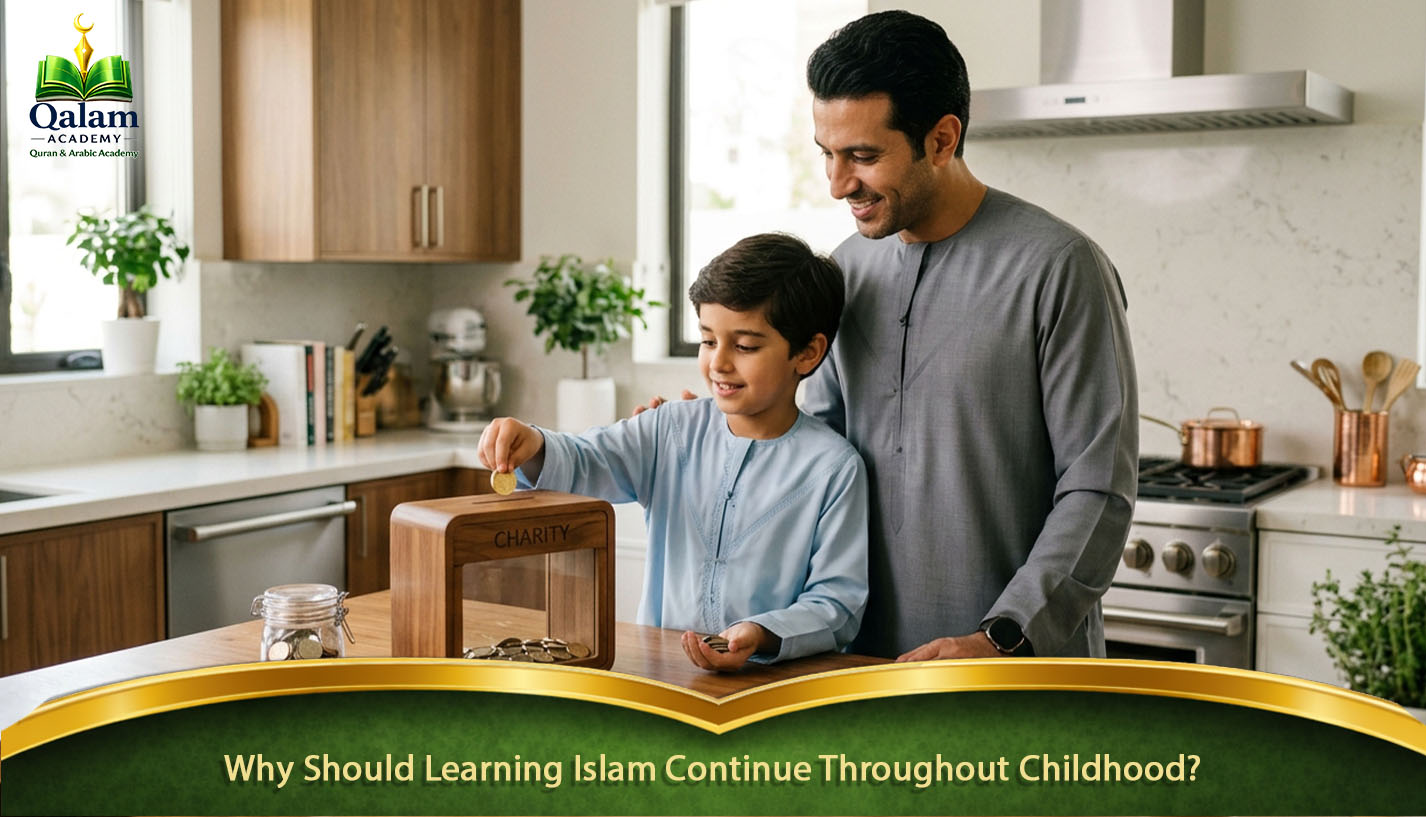
Islamic education is not limited to one stage of childhood. As children grow, they face new questions and responsibilities that require deeper understanding. Therefore, parents should continue adapting Islamic lessons to match their child’s maturity and experiences.
Regular learning helps children strengthen their faith, improve their decision-making, and remain connected to the Quran and Sunnah despite changing social influences. With consistent support from parents and qualified teachers, children can continue building strong Islamic values throughout every stage of life. If you’re interested, see our hajj step by step page.
Frequently Asked Questions About How to Teach Islam to Kids
Parents who want to know how to teach Islam to Kids often have additional questions about the best way to raise children with a strong Islamic identity. Below are answers to several common questions that provide extra guidance beyond the topics discussed above.
1. How Can I Help My Child Love Islam Naturally?
Helping children love Islam starts with creating a positive atmosphere at home. Instead of focusing only on rules, allow them to experience the beauty of the religion through kindness, patience, and encouragement. In addition, celebrate their achievements, answer their questions with understanding, and let them see Islamic values reflected in your own daily behavior. As a result, children begin to associate Islam with happiness, security, and love.
2. Is It Necessary for Children to Learn Arabic Before Studying Islam?
Not at all. Children can begin learning Islamic beliefs, manners, and Quranic values in their native language while gradually becoming familiar with Arabic. Nevertheless, introducing simple Arabic expressions, Quranic vocabulary, and short surahs over time helps them understand the Quran better and strengthens their connection with Islamic worship.
3. How Much Time Should Parents Spend Teaching Islam Every Day?
Quality is usually more important than quantity. Therefore, even spending fifteen to twenty minutes each day reading Quran, practicing a new dua, or discussing an Islamic story can produce excellent long-term results. Furthermore, maintaining a consistent routine is far more effective than studying for several hours only once in a while.
4. What Should Parents Consider When Choosing an Online Islamic Academy?
Selecting the right academy can have a significant impact on a child’s Islamic education. Parents should look for qualified teachers, personalized lessons, interactive learning methods, flexible schedules, and regular progress updates. Moreover, an academy should provide a supportive environment where children feel comfortable asking questions and developing their confidence. Qalam Quran Academy offers all of these qualities, making it an excellent choice for families seeking professional online Quran and Islamic studies programs.
In conclusion, learning how to teach Islam to kids is one of the greatest gifts parents can give their children. Every small lesson, daily habit, and act of worship helps build strong faith, good character, and a lasting connection with Allah.
Children learn best when Islam is taught with love, kindness, and practical daily examples. Parents who explain Islamic values, encourage good habits, and lead by example help their children develop a sincere love for Islam.
Home learning and professional guidance also work well together. Qalam Quran Academy supports families with qualified teachers, engaging online lessons, and personalized programs for every age and learning level. Take a look at our hijrah prophet muhammad guide as well.
Daily consistency matters more than perfection. Reading the Quran, making duas, praying together, and practicing kindness each day help children grow into confident Muslims who love Allah, follow the Sunnah, and live by Islamic values.