
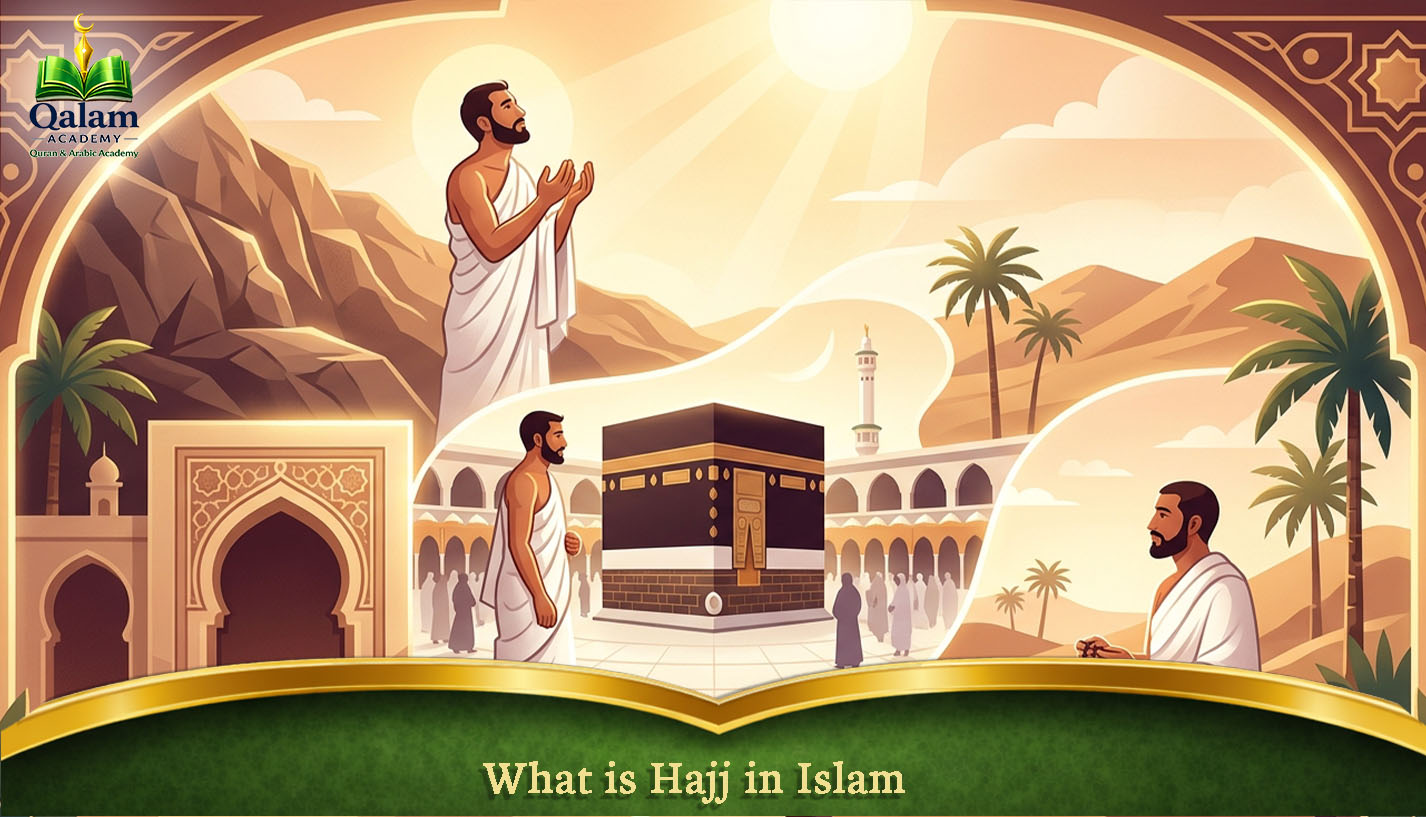
What is Hajj in Islam is a question that reflects a deep curiosity about one of the most important pillars of Islamic faith, and at qalam quran academy, learners are introduced to its true spiritual meaning in a clear and guided way.
Hajj is not just a journey to the holy city of Makkah, but a profound act of worship that symbolizes obedience, unity, and complete submission to Allah. It is an obligation upon every able Muslim once in a lifetime and carries immense spiritual reward and transformation.Parents who wish to introduce the values of worship, unity, and devotion in an age-appropriate way can also explore Islamic studies for kids
This sacred pilgrimage connects Muslims to the legacy of Prophet Ibrahim (AS) and reminds them of patience, sacrifice, and devotion, making it one of the most powerful experiences in a believer’s life.
The Meaning and Spiritual Essence of Hajj
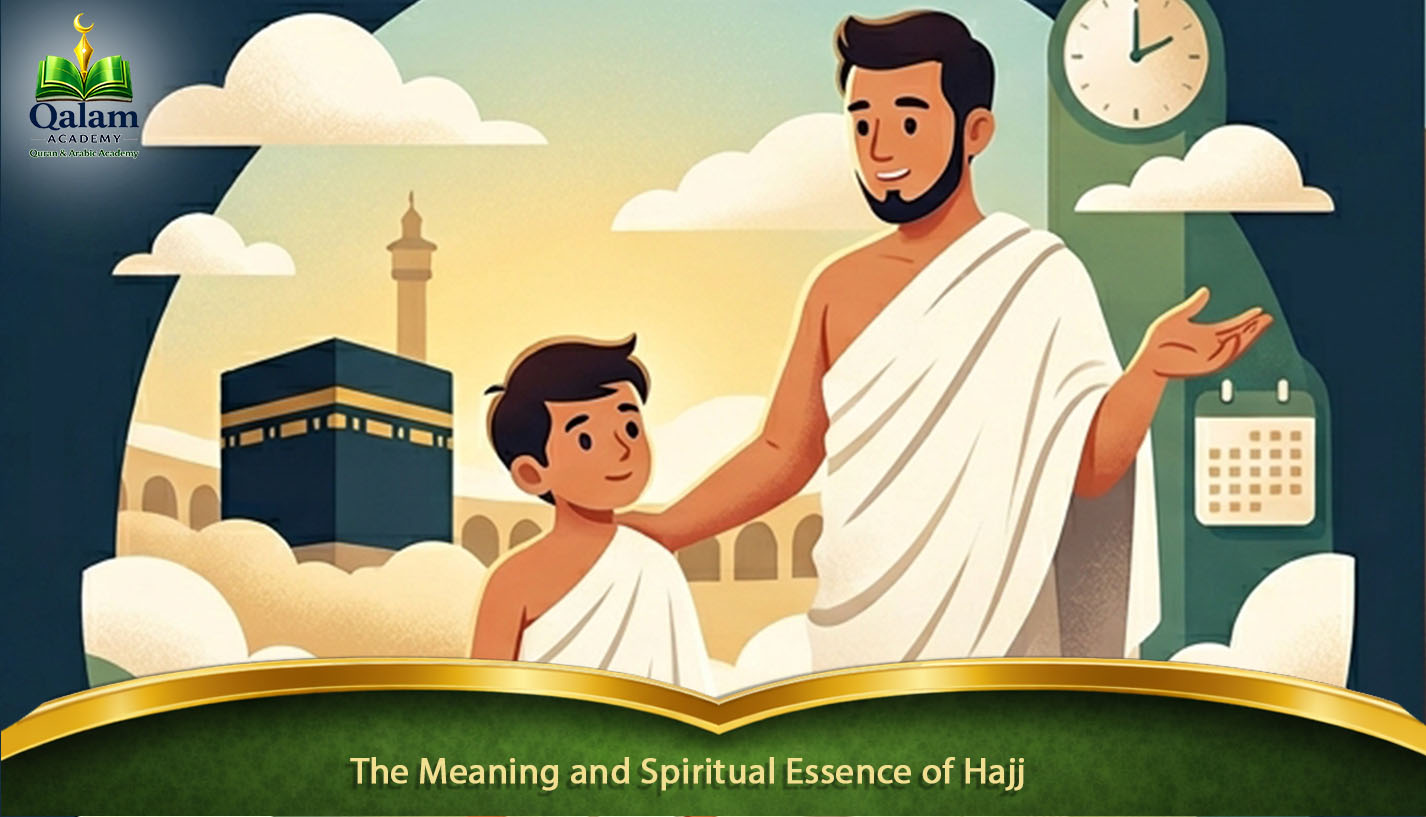
Hajj is one of the Five Pillars of Islam and a central act of worship that represents devotion, discipline, and submission to Allah. It is the sacred pilgrimage to Makkah, performed at a specific time during the month of Dhul Hijjah, and carries deep spiritual meaning for every Muslim who undertakes it.
Unlike other forms of worship, Hajj follows a fixed schedule and a precise sequence of rituals that must be performed in order, teaching Muslims patience, organization, and obedience to divine commands.
- Hajj is one of the Five Pillars of Islam, forming a fundamental part of a Muslim’s faith and religious practice.
- It is performed in the holy city of Makkah during the month of Dhul Hijjah, the designated time for pilgrimage.
- The structured nature of Hajj rituals teaches discipline, patience, and full obedience to Allah’s guidance.
- It symbolizes purification, as pilgrims leave behind worldly comforts and social distinctions to focus entirely on worship.
- Wearing the Ihram reflects equality among all people, removing differences of wealth, status, and nationality.
- Preparation for Hajj often includes spiritual learning and guidance, which many find through resources such as the Qalam Quran Academy to better understand the rituals and their meanings.
Hajj ultimately represents a journey of the heart and soul, where a believer seeks closeness to Allah through humility, devotion, and sincere worship.
Online Quran Academy
An online Quran academy offers a flexible and effective way for students to learn the Holy Quran from the comfort of their homes. It provides lessons in Tajweed, recitation, and memorization with qualified teachers guiding each student step by step.
One of the trusted platforms is qalam quran academy, which helps learners of all ages improve their Quran reading skills and deepen their understanding of Islamic teachings. Through structured online classes, qalam quran academy makes Quran learning accessible, simple, and consistent for everyone.

Why Hajj Holds Great Importance in Islam
Hajj is one of the most significant acts of worship in learn islam basics, carrying deep spiritual, emotional, and historical meaning. It is not only a religious duty but also a journey that transforms the believer’s heart and strengthens their connection with Allah.
It brings Muslims together in a powerful display of unity and equality, reminding them of the core values of faith, patience, and submission to God.
- Hajj represents complete submission to Allah, as every ritual is performed with obedience and sincerity, even in physically and emotionally challenging conditions.
- It unites Muslims from all over the world, regardless of nationality, language, or culture, all standing equal before Allah in simple Ihram clothing.
- It revives the story and sacrifices of Prophet Ibrahim (AS), his wife Hajar, and their son Ismail, highlighting faith, trust, and devotion to God’s command.To explore the broader Prophetic guidance that helps bring these values to life, learners can also explore a Seerah and Hadith course online
- It strengthens the sense of humility and equality, removing social status and worldly differences among pilgrims.
- It offers a powerful opportunity for forgiveness and spiritual renewal, allowing Muslims to return with a purified heart and a new beginning.
- It deepens understanding of Islamic courses online teachings, especially when supported by learning platforms like qalam quran academy, which help connect knowledge with spiritual practice.
Hajj leaves a lasting impact on the believer’s life, shaping their character and strengthening their faith long after the journey ends.
The Spiritual and Emotional Preparation Before Performing Hajj
Preparing for Hajj in Islam is not only about travel arrangements or physical readiness, but also about deep spiritual preparation that begins long before reaching Makkah. In fact, many scholars emphasize that the true journey of Hajj starts in the heart, where intention, sincerity, and repentance are purified.
Moreover, a pilgrim must gradually detach from worldly distractions and focus on strengthening their relationship with Allah. As a result, the heart becomes more peaceful, humble, and ready to experience the sacred rituals with full awareness and devotion.
In addition, learning the meanings of Hajj rituals beforehand helps reduce confusion during the journey. This is why many learners prefer structured guidance from platforms like Qalam Quran Academy, which explains the steps and wisdom behind each act of worship in a simple and clear way.
The Importance of Understanding Hajj Before Traveling
One of the most important aspects of Hajj preparation is understanding its meaning and purpose. Without proper knowledge, many pilgrims may perform rituals without fully realizing their spiritual significance.
Therefore, learning what the Hajj is in Islam in detail helps Muslims appreciate every step of the journey, from entering Ihram to performing Tawaf and standing at Arafah. Consequently, the pilgrimage becomes more meaningful and spiritually impactful.
Furthermore, understanding Hajj before traveling reduces stress and confusion. Instead of focusing on uncertainty, pilgrims can concentrate on worship, reflection, and connection with Allah throughout the journey.
How Hajj Builds a Strong Sense of Islamic Unity
Hajj is one of the most powerful demonstrations of unity in the entire Muslim world. Every year, millions of Muslims from different countries, cultures, and backgrounds gather in one place to worship Allah together.
In addition, all pilgrims wear simple Ihram clothing, which removes all signs of social status, wealth, or nationality. As a result, everyone stands equal before Allah, reminding believers that true value lies in piety and faith, not worldly positions.
Moreover, this global gathering strengthens the concept of brotherhood in Islam. Muslims pray side by side, share the same rituals, and experience the same spiritual journey, which creates a deep sense of connection and unity.
The Role of Education in Understanding Hajj Properly
Proper education plays a vital role in ensuring that Hajj is performed correctly and meaningfully. Many mistakes during pilgrimage occur due to a lack of knowledge rather than intention.
Therefore, learning through structured programs such as Qalam Quran Academy helps pilgrims understand each ritual in detail before they travel. This includes the rules of Ihram, the steps of Tawaf, and the significance of Arafah.Those seeking more structured guidance on these worship-related rulings can also learn fiqh online through guided lessons.
In addition, educational support helps pilgrims connect actions with meanings. For deeper insight into the Prophetic teachings behind these practices, learners can also explore a Hadith course online As a result, every ritual becomes more than a physical act—it becomes a deeply spiritual experience filled with awareness and reflection.
How Hajj Transforms a Muslim’s Character and Life
Hajj is not just a temporary journey; it is a life-changing experience that leaves a lasting impact on a believer’s character. After completing Hajj, many Muslims feel a renewed sense of purpose and spiritual clarity.
Moreover, the experience teaches patience, discipline, and self-control through every stage of the pilgrimage. As a result, pilgrims often return home with improved behavior, stronger faith, and a deeper commitment to Islamic values.
In addition, the feeling of forgiveness and spiritual renewal encourages individuals to maintain good habits, strengthen prayer, and continue seeking closeness to Allah even after returning from Makkah.
The Rituals of Hajj Step by Step
The pilgrimage consists of a sequence of rituals performed over several days. Each step has a deep spiritual meaning and historical significance.
1. Entering Ihram
Pilgrims begin by entering a state of purity called Ihram. They wear simple white garments and make the intention for Hajj. This step removes all signs of social status and encourages humility.
2. Tawaf around the Kaaba
Pilgrims circle the Kaaba seven times in a counterclockwise direction, expressing devotion and unity in worship.
3. Sa’i between Safa and Marwa
This ritual commemorates Hajar’s search for water for her son Ismail. Pilgrims walk between the two hills seven times, reflecting patience and trust in God.
4. Standing at Arafah
The Day of Arafah is the most important day of Hajj. Pilgrims stand in prayer, asking for forgiveness and mercy. It is often described as the spiritual peak of the pilgrimage. Take a look at our what ihram guide as well.
5. Muzdalifah
After Arafah, pilgrims spend the night under the open sky, collecting pebbles for the next ritual.
6. Stoning of the pillars (Ramy al-Jamarat)
Pilgrims symbolically reject evil by throwing stones at pillars representing Satan.
7. Animal sacrifice (Qurbani)
This act reflects Prophet Ibrahim’s willingness to sacrifice his son in obedience to Allah.
8. Shaving or trimming hair
This symbolizes renewal and the completion of major rituals.
9. Farewell Tawaf
Pilgrims circle the Kaaba one final time before leaving Makkah, marking the end of their journey.
The structured nature of these steps makes Hajj both physically demanding and spiritually uplifting.
Preparation for Hajj: Physical and Spiritual Readiness
Preparing for Hajj requires careful planning and sincere intention. It is not a journey that begins at the airport; it starts in the heart.
Many pilgrims begin preparation months or even years in advance. This includes learning the rituals, improving patience, and strengthening faith.
A growing number of students rely on guidance from qalam quran academy to understand the correct recitation of supplications and Qur’anic verses used during Hajj. For focused support with the pronunciation of Qur’anic verses and supplications, learners can also work with a tajweed tutor online This preparation ensures that pilgrims are spiritually ready for every moment of the journey.
Important preparation steps include:
- Completing travel documents and visas
- Learning the rituals in detail
- Preparing physically for long walks and crowded conditions
- Packing simple clothing and essentials
- Studying du’as (supplications)
- Seeking forgiveness from others before departure
Spiritual preparation is equally important. Pilgrims are encouraged to purify their intentions, resolve conflicts, and approach Hajj with humility.
The Experience of Hajj in Makkah
During Hajj, Makkah becomes one of the most crowded places on earth. Millions of pilgrims move together in harmony, guided by faith.The atmosphere is unique—filled with prayers, tears, gratitude, and reflection. Despite the physical challenges such as heat and long distances, pilgrims often describe the experience as deeply peaceful.
Every moment of the journey encourages reflection. Whether standing in prayer, walking between rituals, or sitting in quiet remembrance of Allah, pilgrims feel a sense of closeness to their Creator.
The role of organizations like qalam quran academy in educating pilgrims becomes clear here, as understanding the meaning behind each action enhances the spiritual depth of the experience.
The Significance of Makkah in Islam
Makkah is the holiest city in islamic fiqh basics and the center of the Islamic world. It is home to Masjid al-Haram and the Kaaba, which Muslims face in their daily prayers.
The city holds historical and spiritual importance dating back to Prophet Ibrahim (AS). It represents unity, faith, and submission to Allah.
Every year, the arrival of pilgrims transforms Makkah into a global gathering of believers. This reinforces the idea that learn islam basics online is a universal religion that transcends nationality and ethnicity.
Life After Hajj: Lasting Transformation
Hajj does not end when pilgrims return home. Its impact often continues throughout their lives. Many describe it as a turning point that changes their habits, priorities, and relationship with faith.
The sense of forgiveness and renewal encourages individuals to maintain good character, avoid harmful behavior, and strengthen their connection with prayer and Qur’an.
Educational platforms such as qalam quran academy often support returning pilgrims in maintaining this spiritual growth by continuing online islamic classes education learning and reflection.
Common Misconceptions About Hajj
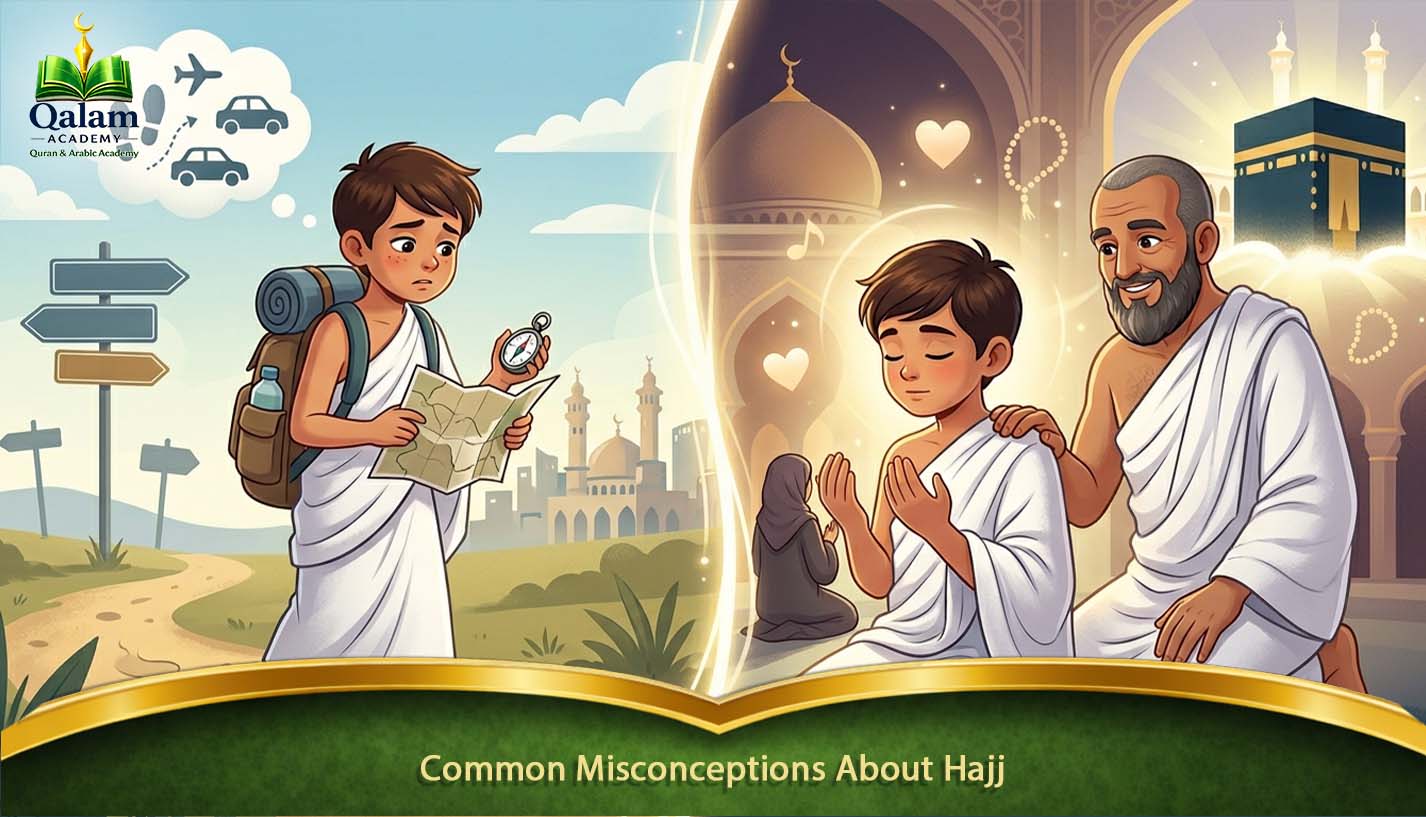
Many people assume that Hajj is simply a physical journey, but in reality, it is a deeply spiritual act of worship that goes far beyond travel or movement between sacred sites. It is not about sightseeing or performing rituals in a mechanical way, but about sincere intention, devotion to Allah, and inner transformation of the heart and soul.
Another common misunderstanding is that Hajj automatically changes a person regardless of their effort or mindset. In truth, the true impact of Hajj depends on sincerity, preparation, and commitment both during the pilgrimage and after returning home.
Without genuine reflection and continued good practice, the spiritual benefits may not fully last. Therefore, Hajj should be seen as a beginning of a renewed relationship with Allah, not just a completed journey.
Frequently Asked Questions (FAQ)
The Frequently Asked Questions (FAQ) section provides quick and clear answers to the most common questions to help users understand the content easily and quickly.
1. Is Hajj compulsory for every Muslim?
Yes, Hajj is compulsory once in a lifetime for every Muslim who is physically and financially able.
2. How long does the Hajj pilgrimage take?
Hajj usually lasts 5 to 6 days, but many pilgrims stay longer in Makkah for additional worship.
3. Can someone perform Hajj more than once?
Yes, Muslims can perform Hajj multiple times, although it is only obligatory once.
In conclusion, Hajj is not merely a religious ritual performed at a specific time, but a profound spiritual journey that reshapes a Muslim’s heart and strengthens their connection with Allah. It combines worship, repentance, and complete detachment from worldly life, while instilling values of patience, humility, and unity among Muslims from all around the world.
Through the guidance and learning provided by qalam quran academy, understanding this great pillar becomes clearer and deeper, helping Muslims prepare for it both spiritually and intellectually in the right way.
Ultimately, Hajj remains an unforgettable experience that leaves a lasting impact on the heart and behavior, offering believers a renewed beginning with Allah based on sincerity, faith, and righteousness.