

Virtues of Ramadan and How to Prepare is an important topic for Muslims who want to enter the blessed month with a clear heart, sincere intention, and practical plan. Ramadan is more than avoiding food and drink during daylight hours. It is a valuable opportunity to strengthen faith, reconnect with the Quran, increase remembrance of Allah, improve character, seek forgiveness, and build good habits that can continue after Ramadan.
Preparing for Ramadan should begin before the first day of fasting. Muslims can prepare spiritually by renewing their intentions, practically by organizing daily responsibilities, and intellectually by learning how to balance fasting, prayer, Quran, and other acts of worship. For those seeking structured Quran learning, Qalam Online Quran Academy can support students with organized lessons that complement their personal Ramadan goals.
This guide explains the major rewards and opportunities of Ramadan while offering practical preparation advice. Whether you are approaching your first Ramadan or seeking improvement after previous experiences, these insights can help you begin the month with realistic goals, stronger motivation, and a deeper commitment to worship.
Why Does Understanding the Virtues of Ramadan Matter?
Ramadan has a special position in Islam because Allah prescribed fasting during this month and connected it with guidance, mercy, worship, and spiritual growth. The Quran describes Ramadan as the month in which the Quran was revealed as guidance for humanity.
Consequently, Ramadan should not be treated as an ordinary change in eating habits. The daily fast is meant to influence the entire person. It trains the believer to control desires, avoid harmful behavior, remember Allah more frequently, and become more conscious of personal actions.
Understanding the virtues of Ramadan and how to prepare can also prevent a common problem: entering the month with enthusiasm but without a plan. Many people begin Ramadan intending to read more Quran, pray more, give more charity, and improve their character. However, without preparation, these intentions can quickly become difficult to maintain.
A balanced approach is more effective. Instead of trying to change everything overnight, prepare a manageable routine and gradually increase your worship.
Start Learning with Qalam Online Quran Academy Today
Take the first step toward a stronger connection with the Quran and Islamic knowledge. At Qalam Online Quran Academy, our qualified teachers provide personalized one-on-one classes for children, adults, and beginners.
Enjoy flexible schedules, interactive lessons, and a supportive learning environment designed to help you achieve your goals. Begin your Quran learning journey with confidence.

Virtues of Ramadan and How to Prepare Your Heart
The best preparation for Ramadan begins with the heart. Before planning schedules, meals, Quran goals, or night prayers, a Muslim should consider why the month matters personally and spiritually.
A sincere intention gives ordinary activities a greater purpose. Sleeping so that you can wake for worship, preparing food for a fasting family member, helping someone in need, or making time for Quran study can all become meaningful acts when performed sincerely for Allah.
Renew Your Intention Before Ramadan
One useful preparation step is to renew your intention for the month. Think about what you hope to improve and why. You might want to:
- Strengthen your relationship with Allah.
- Become more consistent with prayer.
- Read and understand more of the Quran.
- Reduce unnecessary entertainment.
- Improve your patience and speech.
- Give more charity.
- Seek forgiveness for past mistakes.
- Develop habits that continue after Ramadan.
This process turns Ramadan from a collection of daily tasks into a personal spiritual journey.
Ramadan Is a Month of Mercy and Forgiveness
One of the greatest reasons Muslims look forward to Ramadan is the opportunity to seek Allah’s mercy and forgiveness. The month creates a powerful environment for repentance because believers naturally increase prayer, fasting, Quran recitation, charity, and supplication.
The Prophet Muhammad ﷺ taught that fasting Ramadan with faith and hope for reward is a means of having previous sins forgiven. Therefore, the believer should approach the month with hope rather than treating worship as a burden.
At the same time, forgiveness should not encourage carelessness about wrongdoing. Instead, it should motivate sincere repentance. A person can identify harmful habits, leave them, ask Allah for forgiveness, and make a serious effort not to return to them.
How to Prepare for Spiritual Renewal?
Before Ramadan begins, take some time to evaluate your daily life. Ask yourself which habits bring you closer to Allah and which ones consume your time without meaningful benefit.
For example, excessive social media use can reduce the time available for Quran and prayer. Similarly, unnecessary late nights may make Fajr and daytime worship more difficult.
Therefore, reducing distractions before Ramadan can make the transition much easier.
Virtues of Ramadan and How to Prepare for Quran Recitation
Ramadan has a special relationship with the Quran. Allah states that Ramadan is the month in which the Quran was revealed. For this reason, Quran recitation should have a central place in a Ramadan routine.
However, setting an unrealistic reading target can create unnecessary pressure. Someone who rarely reads Quran might decide to read for several hours every day, only to become exhausted after a few days.
A better approach is to establish a sustainable target.
For instance, you can divide Quran reading throughout the day:
- After Fajr.
- During a lunch or work break.
- After one of the daily prayers.
- Before sleeping.
- During quiet periods after Taraweeh.
Breaking the goal into smaller sessions often makes consistent recitation easier.
Prepare a Quran Learning Routine
Reading is valuable, but understanding what you read can deepen the experience. Therefore, consider combining recitation with translation, reflection, memorization, or structured Quran lessons.
For children and adults who need guidance, online Quran learning can provide a more organized approach. Qalam Online Quran Academy can be incorporated into a Ramadan learning routine for students who want structured Quran education alongside their personal worship.
The important point is consistency. A smaller amount of meaningful Quran study performed regularly can be more sustainable than an ambitious schedule that disappears after the first week.
The Spiritual Purpose of Fasting
Fasting is more than hunger and thirst. Allah explains in the Quran that fasting was prescribed so believers may attain taqwa.
Taqwa involves becoming more conscious of Allah and protecting oneself from actions that displease Him. During fasting, a person voluntarily avoids things that are normally permissible during the daytime, such as food and drink.
This creates daily training in self-control.
If someone can leave food and drink for the sake of Allah, that discipline can also help them resist harmful speech, anger, dishonesty, gossip, and other sinful behavior. Therefore, the true benefit of fasting should appear in conduct as well as in physical restraint.
Fasting Should Change More Than Your Meal Schedule
A successful fast should influence the tongue, eyes, ears, thoughts, and behavior. For example, avoiding arguments is part of protecting the spirit of the fast.
When someone becomes angry, saying that they are fasting can serve as a reminder to remain calm. Likewise, avoiding gossip and offensive speech helps protect the purpose of Ramadan.
Consequently, preparation should include a plan for character improvement, not only a meal timetable.
The Unique Reward of Fasting in Ramadan
Among the important virtues of Ramadan and how to prepare is understanding the special reward associated with fasting. The Prophet ﷺ narrated that Allah says fasting is for Him and that He rewards it. This highlights the distinctive status of fasting among acts of worship.
Unlike many visible acts of worship, fasting includes a private dimension that may remain completely unknown to other people. A person could be alone with access to food and drink, yet still choose to continue fasting because they know that Allah sees their actions and knows their intentions.
This private commitment can strengthen sincerity and help believers develop a deeper awareness of Allah. Furthermore, fasting teaches that worship does not depend on public recognition. Instead, the believer learns to value Allah’s knowledge and reward above people’s praise or approval.
Al-Rayyan: A Special Gate for Those Who Fast
One of the significant virtues of fasting is the special gate of Paradise known as Al-Rayyan. According to an authentic hadith, those who regularly fast will be called through this gate on the Day of Judgment.
This promise gives fasting a meaningful long-term perspective. Although hunger and thirst may feel difficult during certain parts of the day, the hardship is temporary, while the reward promised by Allah is everlasting.
For this reason, reflecting on the virtues of Ramadan and how to prepare can help believers remain patient when fasting becomes physically or mentally challenging. Remembering the purpose and reward of fasting can turn moments of difficulty into opportunities for patience and spiritual growth.
Virtues of Ramadan and How to Prepare for Suhoor
Suhoor is an important part of the Ramadan routine, and the Prophet ﷺ encouraged Muslims to observe it because there is blessing in this pre-dawn meal. Preparing for suhoor, therefore, should involve both physical nourishment and spiritual readiness.
Rather than preparing an unnecessarily large meal, choose simple and nutritious foods that can provide lasting energy throughout the fasting day. A practical suhoor may include:
- Water.
- Dates.
- Whole grains.
- Fresh fruit.
- Protein-rich foods.
- Suitable dairy products.
- Foods that provide sustained energy.
At the same time, very salty, excessively heavy, or overly sugary foods may make the fasting period uncomfortable for some people. Moderation can make it easier to remain active and focused during the day.
How does Suhoor Support Worship During Ramadan?
Suhoor offers more than physical nourishment. Waking before Fajr creates an opportunity to remember Allah, make dua, read Quran, and prepare mentally for another day of fasting.
Consequently, suhoor can become part of a wider worship routine rather than simply being a meal before sunrise. Try to leave enough time for prayer and supplication instead of eating hurriedly just before Fajr.
This simple habit reflects the practical side of the virtues of Ramadan and how to prepare, because effective preparation involves organizing the night and morning around worship as well as daily responsibilities.
The Blessing of Iftar and Gratitude
Iftar marks the end of the daily fast and provides another opportunity to express gratitude to Allah. The Prophet ﷺ encouraged Muslims to hasten to break the fast when its appointed time arrives.
A simple iftar can still carry deep spiritual meaning. Starting with dates and water, making dua, and consciously appreciating the food available can transform the meal into a moment of gratitude rather than merely a time to eat.
Moreover, iftar provides an opportunity to strengthen relationships and support others. Feeding a fasting person carries a significant reward, making Ramadan an especially valuable time for generosity, hospitality, and community care.
Virtues of Ramadan and How to Prepare for a Balanced Iftar
Ramadan is not meant to become a month of constant overeating. Preparing excessive amounts of food can consume valuable time, increase waste, and leave less energy for prayer and other acts of worship.
Instead, families can plan simple and balanced meals. The time saved can then be used for Quran recitation, charity, family conversations, remembrance, or adequate rest. Ramadan can also be a good opportunity to strengthen your Islamic knowledge, whether through learning about worship or exploring resources such as how to perform umrah step by step.
A moderate iftar can also make it easier to pray afterward without feeling excessively full or tired. Therefore, preparing meals wisely is another practical way to live out the virtues of Ramadan and how to prepare.
Dua During Ramadan and How to Prepare Your Supplications
Dua is an essential part of the Ramadan experience. During this month, the fasting person has many opportunities to turn to Allah with sincere requests, hopes, concerns, gratitude, and repentance. Learning about Allah’s beautiful names, such as through the 99 names of Allah and their meanings, can also help Muslims reflect more deeply on what they ask from Him.
Rather than waiting until the final days of Ramadan, prepare a personal dua list before the month begins. Having specific requests in mind can help you remain consistent, especially during busy days.
Your list may include:
- Asking Allah for forgiveness.
- Seeking guidance and stronger faith.
- Praying for family and loved ones.
- Asking for well-being and protection from hardship.
- Seeking beneficial knowledge.
- Asking for success in worship.
- Praying for a righteous ending to Ramadan.
- Asking Allah to help you maintain good deeds after Ramadan.
Writing these requests down can also prevent important matters from being overlooked. More importantly, it encourages you to approach dua with greater thoughtfulness and sincerity. For those beginning a new spiritual journey, resources such as how to convert to Islam step by step may also provide helpful guidance about the foundations of Islamic faith.
In this way, the virtues of Ramadan and how to prepare are not limited to physical preparation. They also include preparing the heart, organizing your supplications, and making sincere intentions before entering this blessed month.
Virtues of Ramadan and How to Prepare for Night Prayer
Night prayer has a special place in Ramadan. Qiyam and Taraweeh allow believers to stand before Allah after the daytime fast and listen to or recite the Quran.
The Prophet ﷺ taught that whoever stands in prayer during Ramadan with faith and hope for reward can have previous sins forgiven.
Nevertheless, consistency matters. A person who attends long prayers for only a few nights and then stops may benefit less than someone who establishes a sustainable routine throughout the month.
Build a Realistic Qiyam Routine
Before Ramadan begins, adjust your sleeping schedule gradually. Going to bed much later than usual can make waking for Fajr difficult.
You can also decide in advance which prayers you will attend at the mosque and which you may perform at home.
For families, children can be gradually introduced to night worship without being expected to maintain the same routine as adults. Those who are also developing their Quran skills may find structured resources such as can you really learn quran online effectively useful for maintaining consistent learning alongside their Ramadan worship.
Generosity Is One of Ramadan’s Great Opportunities
The Prophet ﷺ was known for generosity throughout the year, and his generosity increased during Ramadan. This provides a model for Muslims who want to use the month to become more giving.
Charity does not always have to involve large amounts of money. A person can help a neighbor, provide food, support a family in need, donate useful items, or assist someone with their responsibilities.
Furthermore, generosity should be planned rather than left to the final days. Ramadan is also an ideal time to support others in their efforts to learn and memorize the Quran, especially those wondering Can you memorize quran without a teacher.
Create a Ramadan Charity Plan
Before Ramadan begins, determine an amount or type of charity that you can realistically maintain. Then consider setting aside additional opportunities for sadaqah.
For example:
- Feed someone who is fasting.
- Support a food distribution project.
- Help a family prepare for Eid.
- Give privately to someone in need.
- Provide Quran learning resources.
- Assist a local charitable initiative.
The objective is not to compete with others. Instead, it is to develop sincere generosity.
Virtues of Ramadan and How to Prepare for the Last Ten Nights
The final ten nights of Ramadan deserve special attention. The Prophet ﷺ increased his worship during these nights and encouraged his family to do the same.
These nights include the possibility of Laylat al-Qadr, the Night of Decree, which Allah describes as better than a thousand months.
Because its exact night is not definitively identified for believers, Muslims are encouraged to seek it during the odd nights of the last ten.
Prepare Early for Laylat al-Qadr
Do not wait until the last ten nights to decide what you will do. Instead, prepare a simple worship plan beforehand.
Your plan might include:
- Extra night prayer.
- Quran recitation.
- Dhikr.
- Dua.
- Charity.
- Repentance.
- Reflection.
- Reducing unnecessary social activity.
If you have work, family responsibilities, or children, adapt the plan to your circumstances. Consistency and sincerity are more useful than an unrealistic schedule.
Virtues of Ramadan and How to Prepare for Laylat al-Qadr
Laylat al-Qadr is one of the greatest nights of Ramadan, and preparing for it allows Muslims to make better use of these precious hours. One of the most well-known supplications connected with this blessed night is the dua taught by the Prophet ﷺ to Aisha رضي الله عنها:
Allahumma innaka ‘afuwwun tuhibbul-‘afwa fa’fu ‘anni.
Its meaning is:
“O Allah, You are the Ever-Pardoning, You love to pardon, so pardon me.”
Memorizing this dua before the last ten nights can make worship more focused. Instead of using valuable time to learn the words during the busiest nights of Ramadan, you can recite the supplication with greater concentration and sincerity.
Furthermore, this dua should not prevent you from making personal supplications. Muslims can ask Allah for forgiveness, guidance, protection, family well-being, beneficial knowledge, and anything else they sincerely need. Therefore, understanding the virtues of Ramadan and how to prepare includes preparing both the words of worship and the heart behind them.
Virtues of Ramadan and How to Prepare Through I’tikaf
I’tikaf is another important act of worship associated with the final ten nights of Ramadan. It involves staying in the mosque for a period of dedicated worship while observing the relevant Islamic rulings and requirements.
The main purpose of i’tikaf is to step away from ordinary distractions and devote more time to prayer, Quran recitation, remembrance of Allah, dua, and personal reflection. As a result, it can provide an opportunity to focus more deeply on spiritual growth during the most significant part of Ramadan.
However, i’tikaf is not possible for everyone. Work commitments, family responsibilities, health circumstances, and other legitimate obligations may prevent some Muslims from observing it. Even so, its central lesson can benefit everyone.
You can create shorter periods of focused worship at home or in the mosque by reducing unnecessary phone use, limiting entertainment, and setting aside uninterrupted time for Quran and dua. In this way, the virtues of Ramadan and how to prepare can be reflected through practical choices that help you give greater attention to worship.
Virtues of Ramadan and How to Prepare Your Family
Ramadan can become a powerful family experience when worship is shared appropriately. Parents can help children understand that Ramadan is not simply about being hungry.
Instead, explain its values through age-appropriate activities.
Children can participate by:
- Listening to Quran.
- Learning short surahs.
- Helping prepare charity packages.
- Preparing simple iftar items.
- Making dua.
- Attending suitable prayers.
- Keeping a small Ramadan journal.
The objective should be to create positive associations with worship rather than pressure children beyond their ability.
Teaching Children About the Quran
Quran learning can become a central family activity during Ramadan. Parents may set aside a short daily period for reading, memorization, pronunciation practice, or Islamic learning.
For families looking for structured online support, Qalam Online Quran Academy can complement a child’s Ramadan routine by providing organized Quran instruction.
A structured lesson can also help children maintain progress when the family’s schedule becomes busy during the month.
Preparing for Ramadan While Working or Studying
Not everyone has the same Ramadan schedule. Students, employees, parents, and caregivers may face very different responsibilities. Therefore, preparation should be flexible.
Before Ramadan, identify the activities that consume the most time and determine which can be reduced. Prepare meals in advance when possible, organize important tasks, and establish realistic worship periods.
For students, shorter Quran sessions between study blocks may work better than one long session. Similarly, employees may benefit from using quiet periods before or after work for dhikr and Quran.
The best plan is the one that can survive real life.
Avoiding Common Ramadan Mistakes
Knowing the virtues of Ramadan and how to prepare also means understanding what can reduce the benefit of the month.
Some common mistakes include:
- Sleeping through important prayers because of an unplanned schedule.
- Spending excessive time on social media.
- Turning every evening into a large meal event.
- Becoming argumentative while fasting.
- Treating Quran reading as a race rather than an act of reflection.
- Waiting until the last ten nights to begin serious worship.
- Setting goals that are impossible to maintain.
- Ignoring family responsibilities in the name of personal worship.
- Focusing on appearance rather than sincerity.
Avoiding these problems does not require perfection. Rather, it requires awareness and gradual correction.
Create a Practical Ramadan Preparation Checklist
A simple checklist can turn good intentions into concrete action.
Before Ramadan
- Renew your intention.
- Review your daily schedule.
- Adjust your sleeping pattern.
- Set realistic Quran goals.
- Prepare a charity budget.
- Learn important duas.
- Organize work or study responsibilities.
- Reduce unnecessary digital distractions.
- Plan simple meals.
- Identify personal habits you want to improve.
During Ramadan
- Protect the five daily prayers.
- Maintain Quran recitation.
- Guard your speech.
- Remember Allah throughout the day.
- Make dua before iftar.
- Eat suhoor.
- Give charity regularly.
- Attend Taraweeh or perform a suitable night prayer.
- Increase worship during the last ten nights.
- Seek forgiveness consistently.
This checklist keeps the focus on sustainable progress rather than perfection.
Virtues of Ramadan and How to Prepare Through Consistency
One of the most important lessons of Ramadan is that worship should not be reduced to short bursts of enthusiasm. A person may begin the month with extraordinary energy, but physical and emotional fatigue can appear later.
Therefore, choose habits that can continue.
For example, reading a few pages of Quran every day may seem modest, yet maintaining that habit throughout the month can create significant progress. Likewise, a small daily charity habit can develop a stronger attitude of generosity than a single large donation followed by complete inactivity. Ramadan should train you for life after Ramadan.
How Can Qalam Online Quran Academy Support Ramadan Learning?
Quran learning is especially relevant during Ramadan because the month is closely connected with the Quran. However, students may need a structured learning environment to remain consistent.
Qalam Online Quran Academy can be a useful option for learners who want organized Quran education while maintaining their Ramadan worship routine. Structured lessons can help students work on recitation, memorization, pronunciation, or other areas according to their learning needs.
For children, having a regular lesson can also create a sense of routine during a month when normal schedules often change.
Moreover, online learning can be easier to fit around family commitments, school, work, prayer, and Ramadan activities. The key is to select a realistic lesson schedule that supports rather than overwhelms the learner.
Building a Quran Habit That Continues After Ramadan
A successful Ramadan should leave something behind. When the month ends, the goal should not be to return immediately to old habits. Instead, choose a few practices to continue.
For example, you might maintain:
- Daily Quran reading.
- Weekly charity.
- Regular night prayer.
- Daily dhikr.
- A habit of making dua.
- Better control over speech.
- A consistent Quran lesson.
Students who begin or strengthen Quran learning during Ramadan can continue their studies afterward. In this way, Qalam Online Quran Academy may become part of a longer-term Quran learning journey rather than something used only during Ramadan.
What Makes a Successful Ramadan?
A successful Ramadan cannot be measured only by how many pages were read or how many nights were spent in prayer. Numbers can help create structure, but sincerity and personal transformation matter as well.
Ask yourself:
- Has fasting helped you become more patient?
- In what ways has Ramadan brought you closer to the Quran?
- Can you feel a stronger relationship with Allah after Ramadan?
- Have you noticed greater generosity in your daily life?
- What progress have you made in controlling anger?
- Are you now more mindful of the words you speak?
- Which Ramadan habits can you realistically continue after Eid?
These questions provide a deeper measure of progress.
Virtues of Ramadan and How to Prepare for a Meaningful Eid
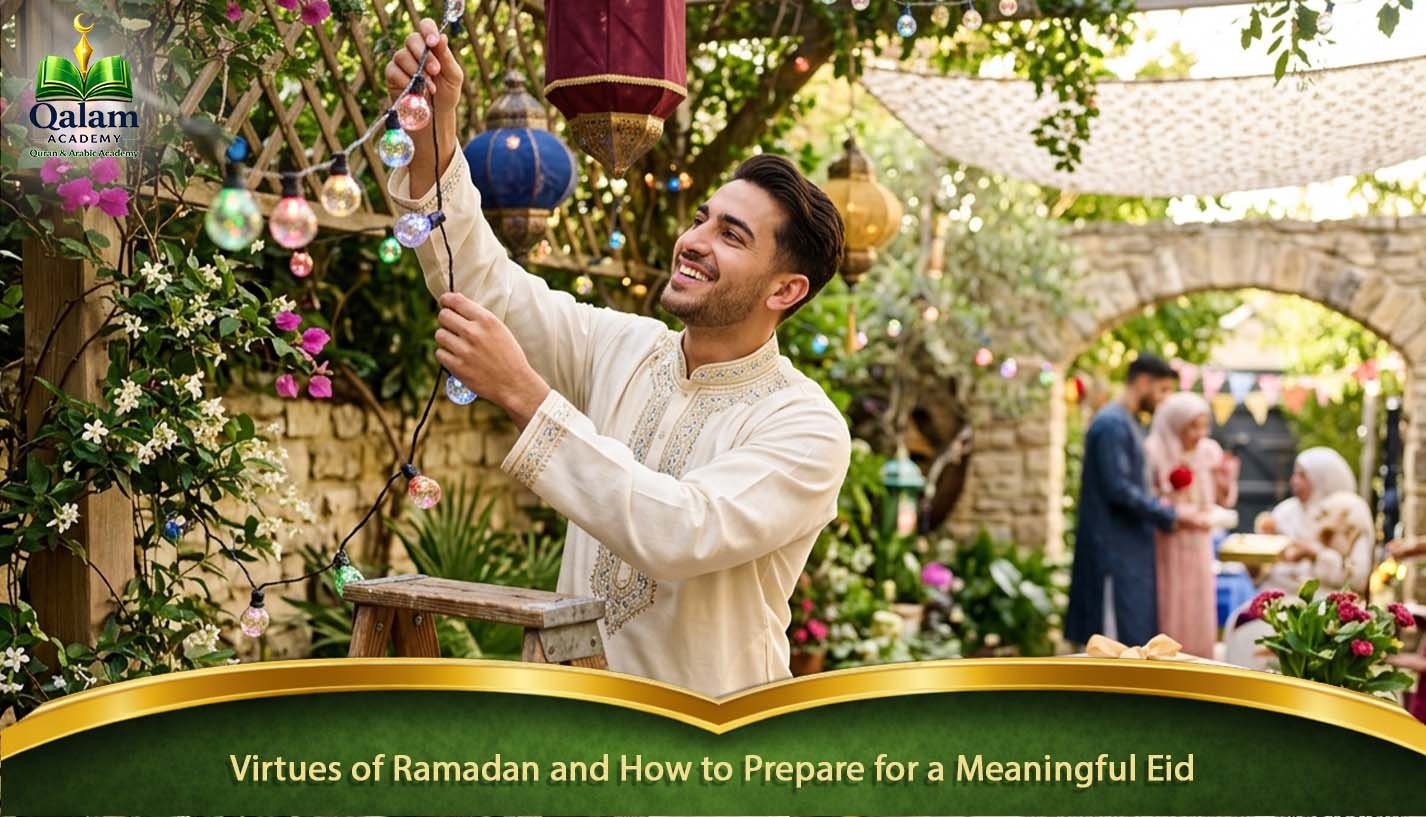
Preparing for Ramadan should also include thinking about how the month will end. Eid is a celebration, but it comes after a period of worship and spiritual effort.
The final days should not become completely occupied by shopping, cooking, travel, and social activities. While these responsibilities have their place, believers should protect time for worship until Ramadan ends.
Continue making dua, seeking forgiveness, giving charity, and maintaining Quran recitation.
Most importantly, do not assume that a difficult Ramadan was an unsuccessful Ramadan. Growth can be gradual. A person may finish the month with greater awareness of weaknesses and a stronger desire to improve.
Frequently Asked Questions About Ramadan Preparation
This section answers common questions about Ramadan preparation, worship, fasting, and ways to make the most of this blessed month.
1. When should I start preparing for Ramadan?
Ideally, preparation should begin before Ramadan. Start by gradually organizing your sleep, worship, Quran reading, responsibilities, and personal goals. Early preparation allows you to enter the month with less stress and greater focus.
2. What should I do if I cannot complete all my Ramadan goals?
Do not abandon your routine because you missed a goal. Instead, adjust it. A smaller target that you can maintain is often better than an ambitious plan that becomes overwhelming. Focus on consistency and sincerity.
3. How can I maintain my Ramadan habits after Eid?
Choose two or three habits from your Ramadan routine and continue them throughout the year. For example, maintain daily Quran reading, regular charity, or a weekly night prayer. Gradual continuation makes long-term change easier.
4. How can families make Ramadan meaningful without overwhelming children?
Keep activities age-appropriate and positive. Children can participate in Quran reading, simple duas, charity, meal preparation, and family worship without being expected to follow an adult schedule. The aim is to help them associate Ramadan with faith, kindness, learning, and family connection.
In conclusion, the greatest benefit of understanding the virtues of Ramadan and how to prepare is that it changes the way we approach the month. Ramadan becomes more than a period of fasting. It becomes an opportunity to renew faith, strengthen the relationship with the Quran, improve character, increase generosity, and seek Allah’s forgiveness.
Preparation does not require an elaborate system. Start with sincere intention, organize your time, create realistic worship goals, and remove unnecessary distractions. Then, as Ramadan progresses, adjust your routine according to your circumstances.
The month is limited, but its lessons can remain with you throughout the year. Therefore, prepare not only for the first day of fasting, but also for the person you hope to become when Ramadan ends.
For learners who want to strengthen their Quran connection, Qalam Online Quran Academy can provide structured learning that complements a personal Ramadan routine. Whether the goal is better recitation, memorization, or consistent Quran study, the most important principle remains the same: begin sincerely, continue consistently, and seek Allah’s reward.