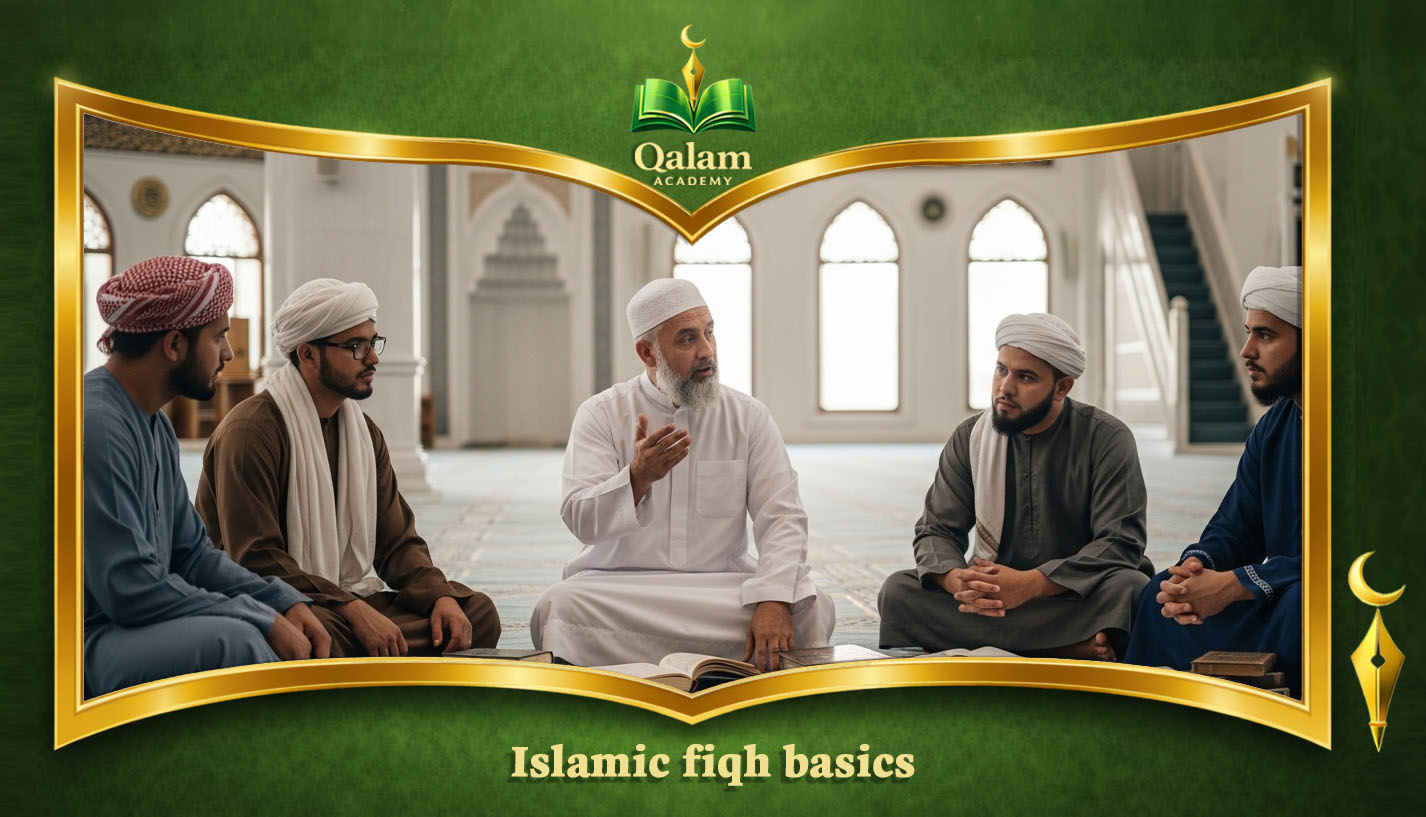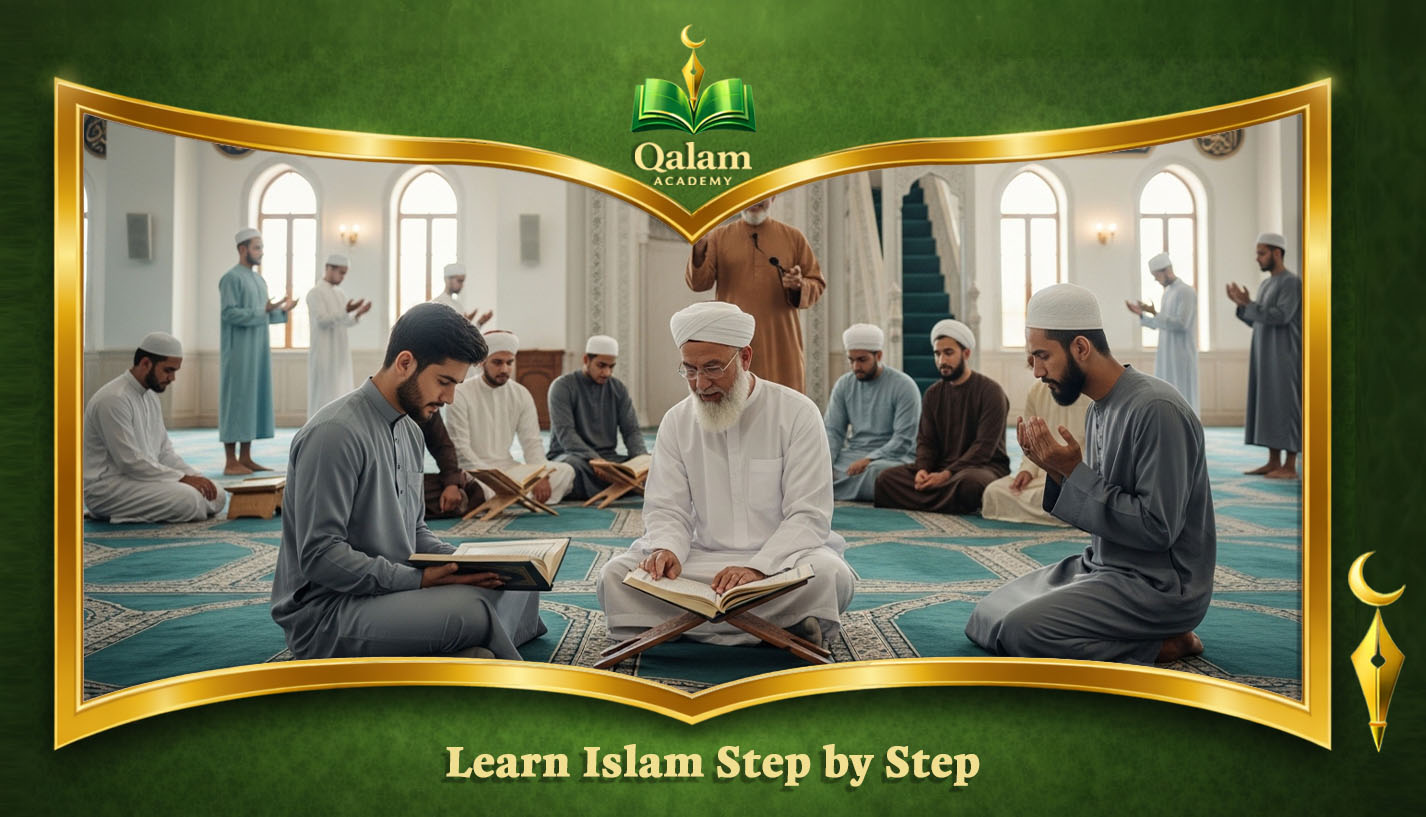

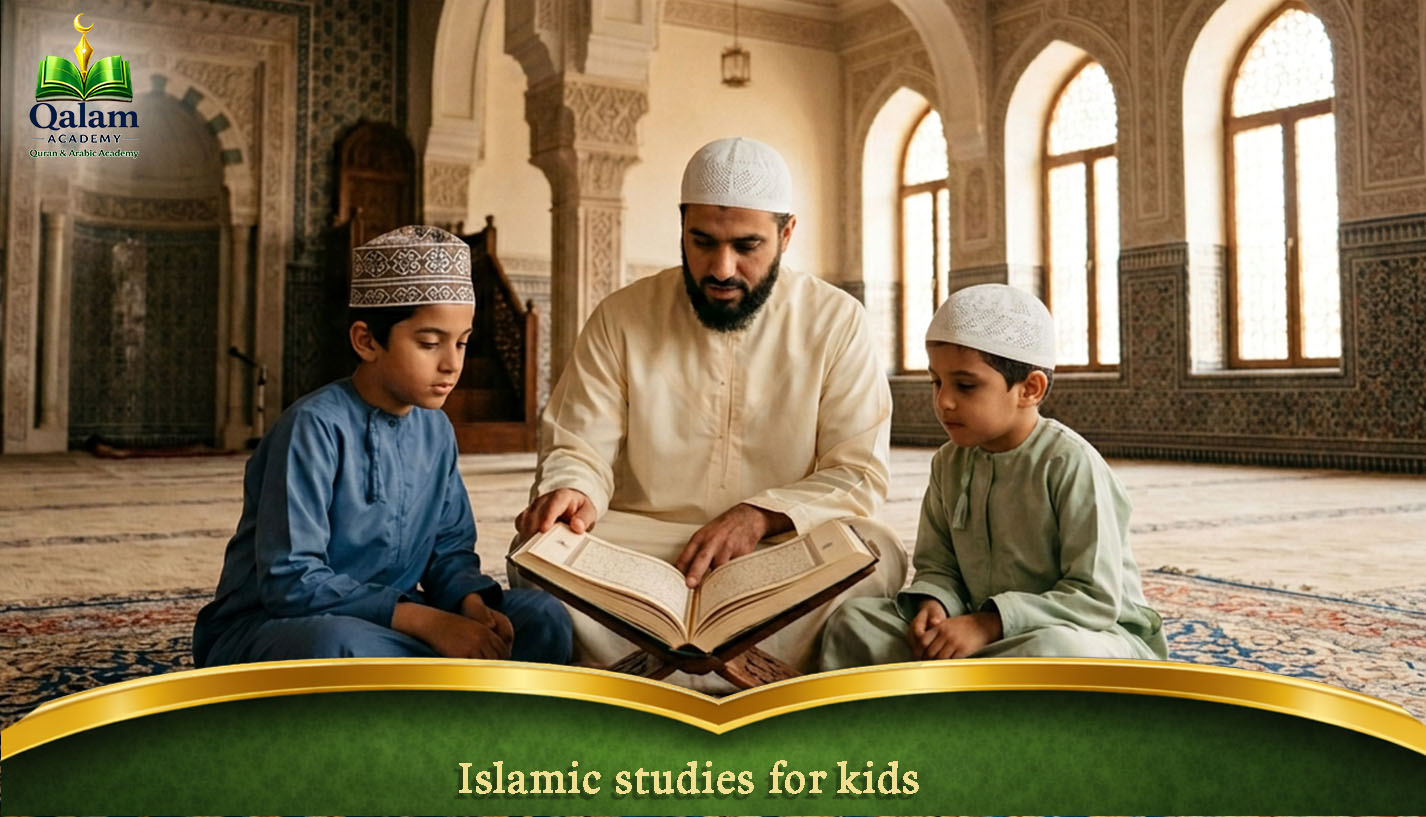
Islamic studies for kids can be transformed into a simple, engaging, and meaningful learning journey when taught with the right methods, patience, and creativity. In today’s fast-paced world, parents are constantly looking for ways to connect their children with Islamic values without making learning feel heavy or boring.
At Qalam Quran Academy, this goal is achieved through structured and interactive programs designed specifically for young learners. The focus is not just on teaching information, but on building a deep love for Islam in a natural and lasting way. The academy provides age-appropriate lessons, practical strategies, and guided support to ensure effective and enjoyable learning.
How to Make Islamic Learning Meaningful for Children?

Teaching Islam to children is not only about lessons and memorization. It is about shaping character, identity, and daily behavior. When children grow up understanding their faith in a simple and loving environment, they develop confidence and clarity about their purpose in life.
The challenge many parents face is how to present Islamic knowledge in a way that feels enjoyable rather than forced. Children learn best through stories, visuals, interaction, and repetition in daily life. When these elements are combined, Islamic education becomes part of their natural growth instead of an academic burden.
One of the most effective approaches today is structured online learning, especially platforms like Qalam Quran Academy, which focus on delivering Islamic knowledge in a child-friendly and interactive format. These modern methods bridge the gap between traditional teachings and the digital world hifz course for kids are already familiar with.
Online Quran Academy
Learning the Quran online has become an effective and flexible way for students of all ages to connect with the Book of Allah. Qalam Quran Academy offers structured and interactive programs that include Quran recitation, Tajweed rules, and memorization support.
The academy focuses on providing high-quality education through qualified teachers who guide students step by step. With personalized learning plans, students can study at their own pace from anywhere in the world.
Qalam Quran Academy aims to build a strong spiritual connection with the Quran while making learning easy, engaging, and consistent for both children and adults in a safe environment.

Why Early Islamic Education Matters
Early childhood is the most influential stage in a person’s development. At this age, learn quran for kids online and absorb habits, language, and beliefs from their environment without deep resistance.
That is why introducing Islamic values early creates a strong foundation for life. Joining online quran classes via Zoom allows students to attend live Quran lessons from anywhere with flexible schedules and direct communication with teachers.
Children who are guided properly in their early years tend to develop:
- A clear understanding of right and wrong
- Strong moral behavior
- Emotional stability based on faith
- Respect for parents and others
- A natural connection with prayer and worship
Instead of learning Islam as separate subjects, Islamic education for kids at home should experience it as part of their daily life. Saying simple phrases like “Bismillah” before eating or “Alhamdulillah” after finishing a task helps build that connection gradually.
Parents who want structured support often turn to Qalam Quran Academy because it provides guided lessons that simplify complex concepts into easy, age-appropriate learning steps. Finding a female Quran teacher can help students, especially sisters and children, learn Quran recitation, Tajweed, and memorization in a comfortable learning environment.
Core Areas of Islamic Learning for Children
A strong Islamic foundation for online quran class for kids does not require overwhelming detail. Instead, it should focus on essential areas presented simply and engagingly.
1. Stories of the Prophets
Stories are one of the most powerful tools in childhood education. The lives of the Prophets teach patience, trust in God, honesty, and courage.
For example:
- Prophet Nuh teaches perseverance
- Prophet Ibrahim teaches strong faith
- Prophet Musa teaches bravery and trust in divine help
These stories should be told with emotion, visuals, and interaction. Asking children questions like “What would you do in this situation?” helps them think critically and connect emotionally.
2. Belief and Worship Basics
Children should gradually understand the foundation of Islamic belief without complex terminology. The Five Pillars of Islam can be introduced through simple activities:
- Shahadah: Writing and repeating the declaration of faith
- Salah: Practicing prayer movements in a playful way
- Zakat: Sharing toys or coins to understand giving
- Sawm: Introducing fasting in small steps
- Hajj: Using drawings or models to explain pilgrimage. For a clearer and more visual introduction to pilgrimage, families can also explore Hajj step by step
Learning becomes more effective when online quran classes for kids can see and experience concepts instead of just hearing them.s children grow, parents can also learn fiqh online to explain worship and everyday Islamic practices with greater confidence.
3. The Quran and Its Connection to Daily Life
The Quran should be introduced as a source of comfort and guidance rather than memorization pressure. Listening to short chapters regularly helps children become familiar with its rhythm and sound.
Understanding simple meanings is also important. For example, explaining that Allah is One and always near helps children build a personal connection with faith.
Structured programs like those offered by Qalam Quran Academy focus on combining recitation with understanding, which strengthens both memory and emotional connection.
4. Prophetic Teachings and Good Manners
The life of the Prophet Muhammad (peace be upon him) is the best example for children to follow. Parents can also use the Hijrah of Prophet Muhammad to teach children meaningful lessons about faith, patience, and sacrifice. His kindness, honesty, and patience provide practical lessons for everyday behavior.
Simple habits inspired by his teachings include:
- Smiling at others
- Speaking truthfully
- Helping those in need
- Respecting animals and people
When children connect actions with stories from the Prophet’s life, behavior naturally improves over time. Choosing online Quran classes via Skype provides an easy way to learn Quran online through interactive lessons and personalized guidance.
Effective Methods for Teaching Children
Teaching children requires creativity more than strict structure. When learning feels like play, retention becomes stronger and deeper. Learn Quran Microsoft Teams offers a modern online learning experience that connects students with qualified Quran teachers through virtual classrooms.
Story-Based Learning
Stories are easier for children to remember than rules. Instead of explaining long concepts, narrate situations from Islamic history with emotion and imagination. This helps children visualize and understand lessons naturally. Take a look at our online quran academy for sisters guide as well.
Hands-On Activities
Children learn better through doing rather than just listening. Activities such as drawing mosques, building simple Kaaba models, or creating prayer charts help them stay engaged.
Games and Interactive Learning
Games make learning enjoyable and memorable. Flashcards, quizzes, and matching activities can be used to teach Arabic letters, Islamic values, and basic knowledge in a fun way.
Daily Practice Integration
Islam should not feel like a separate subject. It should be part of everyday life. Encouraging children to say du’a before sleeping or remember Allah during daily tasks makes faith a natural habit.
Age-Based Learning Approach
Children learn differently depending on their age. Understanding this helps parents choose the right teaching method.
Ages 2–4
At this stage, learning should be light and sensory-based:
- Songs about Islamic phrases
- Simple words like Bismillah and Alhamdulillah
- Coloring Islamic objects
Ages 5–7
Children begin to understand stories and structure:
- Prophetic stories with illustrations
- Short Surahs with repetition
- Basic Islamic manners
Ages 8 and Above
At this stage, children can understand deeper meanings:
- Reflection on Quranic verses
- Writing short lessons from stories
- Group discussions about moral choices
At this level, guided programs from Qalam Quran Academy can be especially helpful, as they provide structured lessons designed for growing comprehension and independence.
The Role of Parents in Islamic Education
Parents are the first teachers in a child’s life. No classroom or online course can replace the influence of daily interaction at home.
Children learn more from observation than instruction. When they see parents praying regularly, speaking kindly, and practicing patience, they naturally imitate these behaviors.
Consistency is more important than intensity. Even small daily habits can create a strong lifelong foundation.
Building a Strong Learning Environment
A positive learning environment encourages curiosity and love for learning. Some helpful practices include:
- Setting a daily learning routine
- Using gentle encouragement instead of pressure
- Celebrating small achievements
- Allowing questions without judgment
When children feel safe to ask questions, their understanding grows deeper and more meaningful.
Online Learning and Modern Support
Technology has made Islamic education more accessible than ever before. Online platforms allow children to learn from qualified teachers without geographical limitations.
A well-structured platform like Qalam Quran Academy offers flexible learning schedules, interactive lessons, and personalized attention that help children stay consistent in their learning journey.
This modern approach supports parents who may not have the time or expertise to teach everything at home, while still ensuring quality education.
Common Challenges and How to Overcome Them

Parents often face challenges such as lack of time, children losing interest, or difficulty explaining concepts. These challenges can be managed through:
- Short, consistent lessons instead of long sessions
- Using visual and interactive tools
- Mixing learning with play
- Encouraging rather than forcing participation
The key is patience and consistency rather than perfection.
Frequently Asked Questions (FAQ)
The best time is as early as possible, starting from toddler age, using simple words, habits, and stories that grow with the child.
2. How can parents keep children interested in Islamic learning?
By using stories, games, visuals, and daily-life activities instead of traditional lecture-style teaching.
3. Can online learning replace home teaching completely?
Online learning is a strong support system, but parental involvement at home remains essential for building consistent habits and values.
In conclusion, Islamic studies for kids is an essential journey that builds faith, character, and identity in children. When taught with patience and creativity, it becomes enjoyable and easy to understand.
Parents and teachers should focus on daily practice, storytelling, and good role modeling. Support from platforms like Qalam Quran Academy also strengthens learning and consistency, helping children grow with strong Islamic values.
This foundation shapes their behavior and guides them throughout life in a meaningful and practical way. It also encourages love of learning and strengthens moral decision making every day within a supportive and nurturing environment at home always.